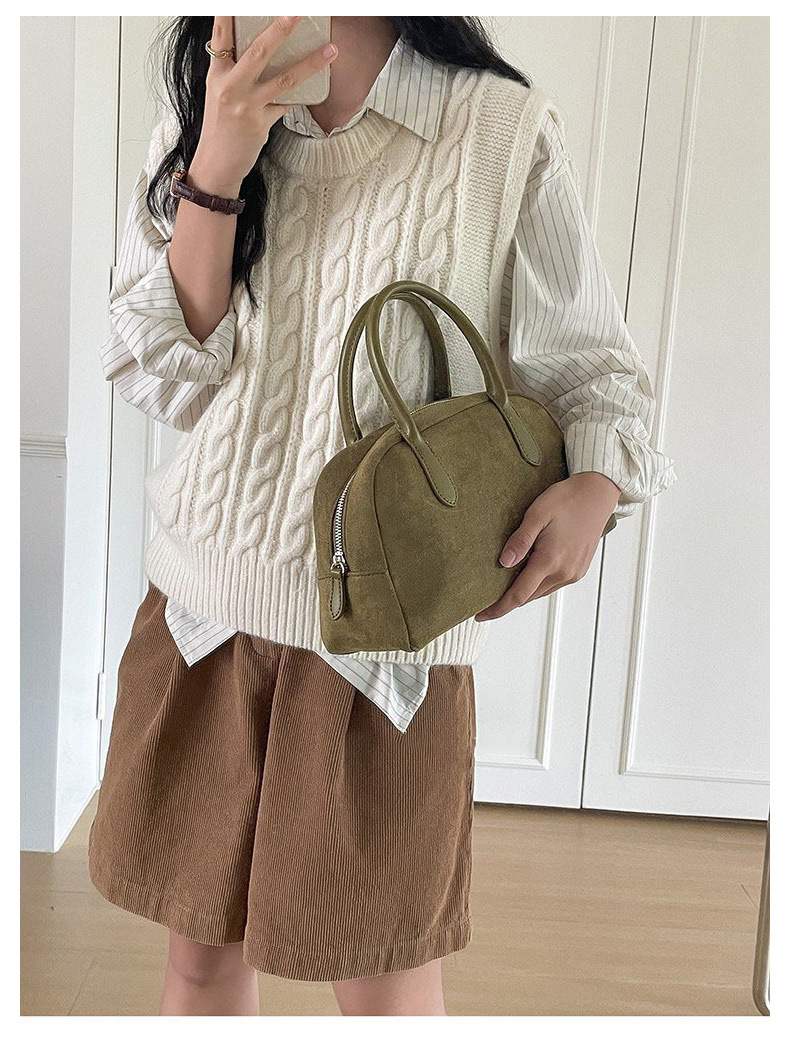


The PrinceBag factory-direct brown cross body handbag is positioned as a versatile, mid-range accessory designed for retailers, boutiques, corporate gifting programs, and private-label partners. For B2B clients, the appeal is threefold: proven consumer demand for practical cross body silhouettes, the richness and broad appeal of brown tones across seasons and demographics, and factory-direct pricing that supports attractive wholesale margins. This analysis will walk through materials, manufacturing considerations, customization options, compliance, logistics, and go-to-market implications to help purchasing managers and merchandisers make informed sourcing decisions.
Design and Material Analysis
The handbag’s core attributes—compact cross body form, adjustable strap, secure hardware, and organized interior pockets—make it suitable for everyday use. Brown is a commercially safe color that pairs well with neutrals and seasonal palettes. Key material and design considerations:
– Exterior: Full-grain or corrected-grain leather gives premium feel and durability. PU (vegan leather) or coated canvas options reduce cost and appeal to ethical buyers.
– Lining: Polyester or cotton twill for durability; branded jacquard available for private label.
– Hardware: Brass-plated zippers and clasps increase longevity; nickel-free options address allergen concerns.
– Construction: Double-stitched seams, reinforced strap attachment points, and edge-painting for wear resistance.
– Dimensions & Weight: Optimized for everyday carry—phone, wallet, keys—while keeping postage and freight costs reasonable.
For B2B buyers, offering multiple material tiers (premium leather, standard leather, vegan alternative) allows segmentation across retail channels.
Manufacturing and Quality Control
Sourcing directly from PrinceBag’s factory offers advantages in lead time control and unit cost. Critical production and QC elements to confirm before placing large orders:
– Production capacity and lead times: Typical lead times for full production runs are 45–75 days depending on customization. Confirm peak-season capacity.
– Quality control checkpoints: Incoming materials inspection, mid-line sampling, final 100% inspection for key defects (stitching, hardware function), and random drop/Abrasion tests.
– Sampling process: Pre-production sample (PPS) and size-set sample approvals minimize later changes.
– Factory standards: ISO or BSCI audits are favorable indicators of consistent processes and labor compliance.
B2B buyers should negotiate accepted defect rates, rework terms, and remedies in the contract.
Commercial Terms and Pricing Strategy
Factory direct pricing enables attractive palatability for wholesale buyers. Typical commercial terms to evaluate:
– MOQ (Minimum Order Quantity): Often 200–500 units per SKU for unbranded runs; private-label or complex customizations may push MOQ higher.
– Pricing tiers: Unit cost declines at volume breakpoints (e.g., 500, 1,000, 3,000 units).
– Incoterms: FOB (port of origin) is common; DDP can be requested but will carry premiums.
– Payment terms: 30% deposit, 70% balance at shipment is standard; negotiated net terms for established buyers.
– Sample costs & lead times: Pre-production sample fees refundable against order in many factories.
A clear pricing matrix and transparent breakdown of material, labor, and overhead charges aid margin planning.
Product Analysis Table
| Feature | Specification | Material Options | MOQ | Estimated Unit Price (USD) |
|---|---|---|---|---|
| Size | 9” W x 6” H x 2.5” D | N/A | 200 | $8.50 – $12.00 |
| Exterior | Smooth finish, slip-resistant | Full-grain leather / PU leather / Coated canvas | 300 | $10.50 – $18.00 |
| Lining | One interior zip pocket + 2 slip pockets | Polyester / Cotton twill / Branded jacquard | 200 | $0.80 – $2.50 |
| Hardware | Adjustable strap, zipper closure, metal clasp | Brass-plated / Nickel-free / Antique finish | 500 | $1.20 – $3.00 |
| Customization | Embossed logo, custom color, packaging | Deboss / Heat-stamp / Woven labels | 500 per SKU for major custom items | $0.50 – $3.50 add-on |
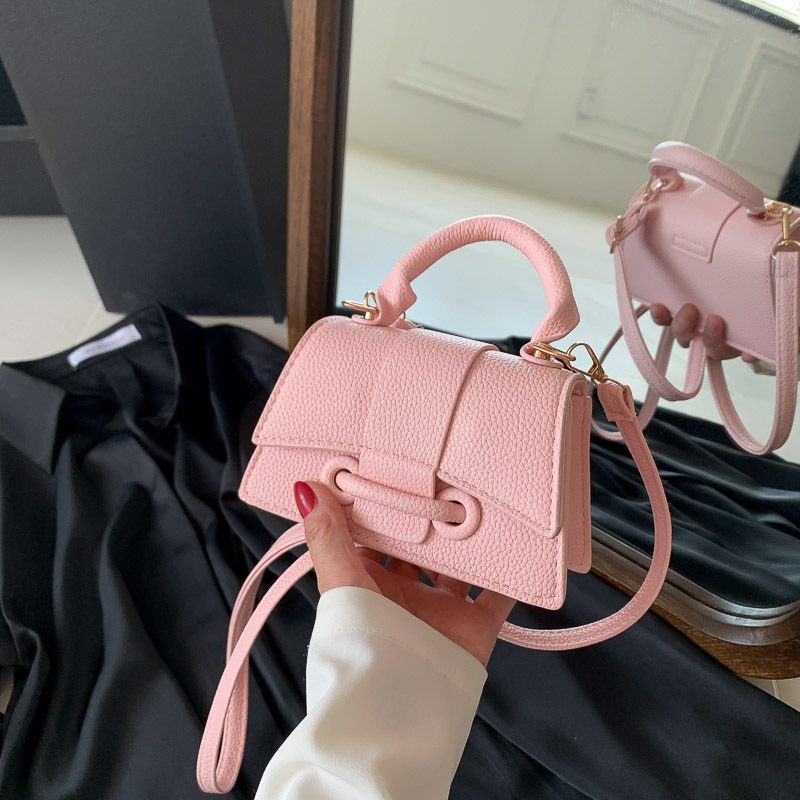
Customization and Private Labeling Options
Customization is a major differentiator for B2B clients seeking exclusive SKUs. PrinceBag’s factory-direct model supports:
– Branding: Debossed or foil-stamped logos on exterior, custom hangtags, and branded dust bags.
– Colorways: Pantone-matched dyes for leather or fabric; two-tone combinations.
– Hardware finishes: Antique brass, gunmetal, or rose gold to match retail aesthetics.
– Packaging: Retail-ready boxes, custom inserts, or minimalist eco-packaging.
– Functional customizations: Additional pockets, RFID linings, or detachable straps.
Negotiate tooling and setup fees, lead times for custom color development, and minimums per customization type.
Compliance, Certifications, and Sustainability
B2B buyers must ensure regulatory compliance and align sourcing with corporate responsibility policies:
– Chemical and safety standards: Test for restricted substances under REACH, California Proposition 65, and CPSIA when targeting U.S. consumers.
– Leather traceability: Prefer suppliers with Leather Working Group (LWG) certification and documented tanning processes.
– Vegan alternatives: For PU/PU-coated fabrics, request certificates for phthalate-free and low-VOC materials.
– Social compliance: Factory audits (BSCI, SMETA) verify labor and workplace standards.
– Environmental practice: Waste-water treatment records, responsible chemical management, and recyclable packaging options strengthen sustainability claims.
Include compliance warranties and testing schedules in procurement contracts.
Logistics, Delivery, and After-Sales
Efficient logistics are critical to keep inventory turns healthy and reduce carrying costs:
– Lead time management: Build a buffer for seasonal peaks; confirm production slot immediately upon order confirmation.
– Shipping options: Sea freight for cost efficiency, air freight for expedited reorders; consolidated shipping reduces per-unit freight cost.
– Packaging: Bulk cartons with protective inserts to minimize damage; specify carton maximum weight to avoid hidden surcharges.
– Inspection & claims: Pre-shipment inspection (AQL) with photo evidence, third-party inspection options, and defined timelines for claims and returns.
– Warranty & repairs: Agreement on warranty period, repair options, and handling of defective batches.
B2B purchasers should standardize KPIs for delivery performance and defect rates.
Market Positioning and Sales Strategy for B2B Buyers
To maximize margin and retail success, position the handbag according to material tier and channel:
– Premium boutiques: Market the full-grain leather variant as “artisan-made” with branded packaging and storytelling about the factory.
– Department stores / national chains: Offer consistent volume with mid-tier leather or high-quality PU options to meet price points.
– E-commerce and marketplaces: Optimize photography and lifestyle images; create bundles or limited-edition colorways to drive conversions.
– Corporate gifting: White-label runs with embossed logos and premium packaging for higher perceived value.
Suggested MSRP: Maintain a keystone (2x) to 2.5x margin over landed wholesale cost; test smaller PO’s to fine-tune price elasticity.
Recommendations and Next Steps for B2B Buyers
1. Request a full tech pack and material samples before committing to MOQ.
2. Secure at least one pre-production sample (PPS) to confirm color, leather finish, and hardware function.
3. Negotiate a tiered pricing schedule with clear volume breakpoints and defined lead times.
4. Require compliance documentation (chemical tests, social audits) and include these as contractual conditions.
5. Pilot multiple SKUs (material tiers and colorways) in small quantities to measure sell-through before scaling.
The PrinceBag factory-direct brown cross body handbag offers B2B clients a balanced combination of aesthetic appeal, practical functionality, and factory-level price advantages. By methodically evaluating materials, confirming factory capabilities, negotiating favorable commercial terms, and aligning on compliance and logistics, buyers can secure a dependable SKU that fits into multiple retail channels. With targeted customization and a disciplined rollout plan, this handbag can become a reliable contributor to assortments and margins across wholesale and private-label programs.