


PrinceBag Factory Direct Womens Handbag Wholesale with Competitive Price is more than a tagline — it’s a value proposition for retailers, distributors, and private-label brands searching for reliable, affordable handbag suppliers. In a competitive global market where margins are tight and consumer preferences shift quickly, sourcing from a factory that combines direct manufacturing, consistent quality control, and transparent pricing can be a game changer. This article provides an in-depth, professional analysis of PrinceBag’s strengths, product categories, supply chain practices, pricing models, and strategies for retailers to optimize profit and reduce risk when buying wholesale women’s handbags.
Factory-Direct Advantages
Eliminating Middlemen
Buying factory-direct from PrinceBag removes distributors and trading intermediaries, which typically add markups at each handoff. This model reduces cost per unit and allows buyers to allocate budget to higher-quality materials, custom design features, or marketing efforts. For bulk purchasers, even a modest per-unit saving compounds substantially across larger orders.
Consistent Quality Control
Factory-direct suppliers like PrinceBag exercise control across the production lifecycle — from material sourcing to final inspection. Internal QC teams, inline checks, and pre-shipment inspections help ensure consistent construction, hardware functionality, stitching integrity, and colorfastness. This reduces return rates and post-sale complaints, translating to better retailer margins and customer satisfaction.
Product Range and Materials
Diverse Women’s Handbag Categories
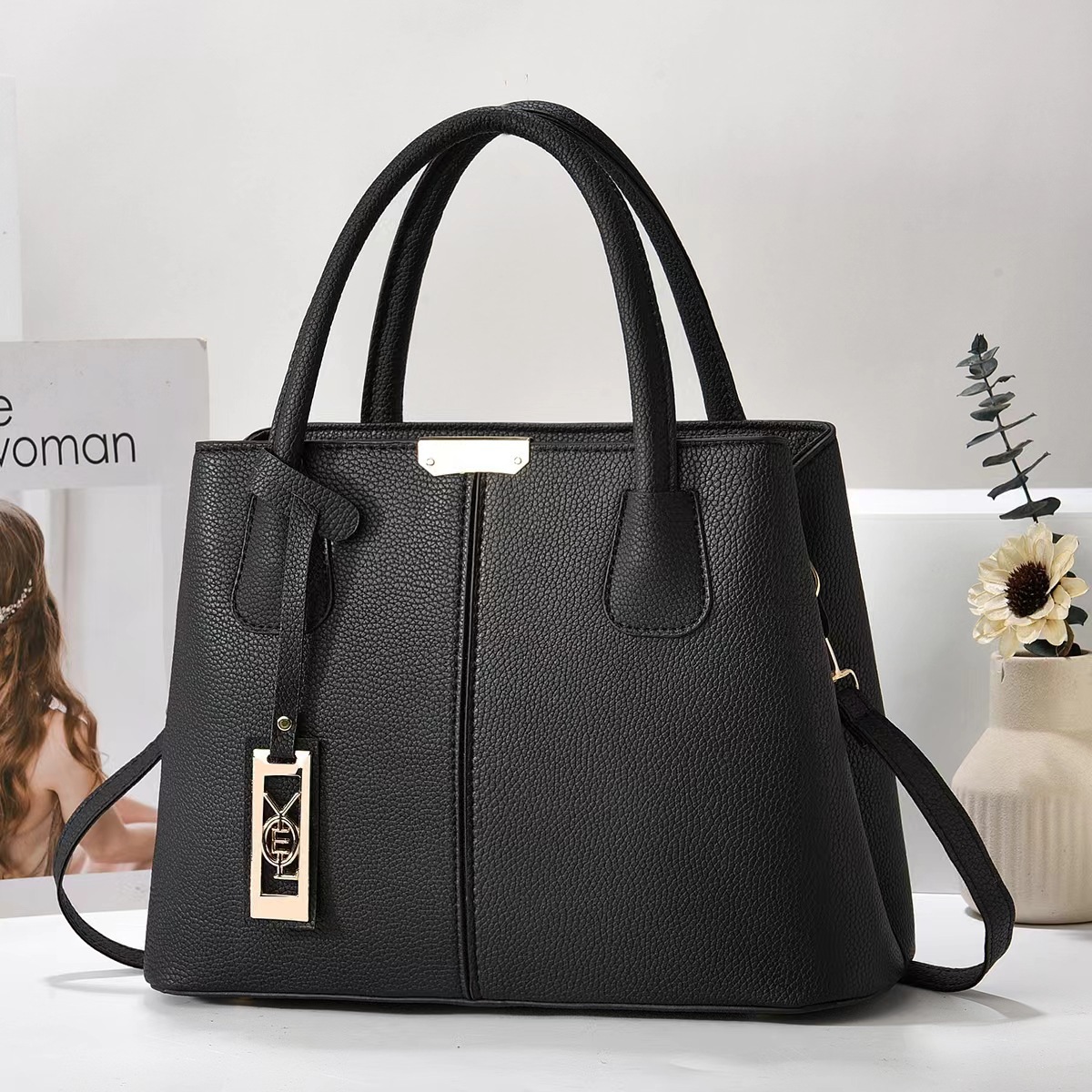
PrinceBag’s product range typically spans several core categories: totes, Shoulder Bags, crossbody bags, clutches, Backpacks, and seasonal styles. Each category can be tailored in size, material, hardware, and finishes to meet market trends. Offering multiple styles under one factory umbrella simplifies sourcing for buyers who need breadth without sacrificing consistency.
Materials and Sustainability
Modern consumers increasingly demand sustainability. PrinceBag sources faux leather (PU), microfiber, canvas, nylon, and select genuine leather, enabling brands to choose based on price points and market positioning. When requested, PrinceBag can use eco-certified materials and low-VOC finishes to satisfy environmentally conscious buyers or comply with specific retailer standards.
Pricing Structure and Competitive Edge
Base Pricing and Volume Discounts
PrinceBag’s factory-direct pricing structure typically includes a base unit price that declines as order quantities increase. Volume tiers are set to encourage larger orders, and buyers benefit from lower per-unit production costs and reduced shipping per unit when ordering higher volumes.
Transparent Cost Components
Competitive price claims are strongest when supported by transparency: material costs, labor, hardware, finishing, packaging, and shipping should be itemized. PrinceBag often provides itemized quotes for OEM/ODM projects so buyers can understand which variables influence final pricing and where they can negotiate or select alternatives to hit target margins.
Customization and OEM Services
Design Flexibility
One major advantage of working factory-direct is customization. PrinceBag offers OEM services including logo embossing, custom lining prints, metal hardware customization, unique closures, and specialized sizes. These services let private-label brands differentiate products without the high overhead of developing their own manufacturing line.
Sample Process and Lead Times
Custom projects require sample development. Standard sample lead times range from 7–21 days depending on complexity. For custom hardware or new molds, lead time can extend to several weeks. PrinceBag typically allows iterative sample revisions, with buyers approving pre-production samples before mass production commences to ensure specifications are met.
Manufacturing Capacity and Quality Assurance
Scalability and Production Lines
PrinceBag operates multiple production lines dedicated to different handbag types and finishes. This setup enables scalable manufacturing to meet seasonal demand spikes. Buyers should coordinate forecasting with PrinceBag to secure line time ahead of peak seasons and minimize bottlenecks.

Inspection Protocols
Quality assurance protocols include inline spot checks, final inspections using AQL (Acceptable Quality Level) standards, and functionality testing (zippers, hardware durability, strap stress). PrinceBag encourages buyers to request third-party inspections for high-value orders or when selling to stringent retailers that mandate independent verification.
Shipping, Logistics, and Lead Time Considerations
Freight Options and Cost Optimization
Factory-direct sourcing shifts the logistics burden to the buyer. PrinceBag assists by offering FOB or EXW terms and coordinating with freight forwarders. Buyers should compare air freight vs. sea freight depending on urgency and unit value. Consolidated shipments and periodic full-container loads (FCL) offer the best per-unit shipping economics.
Inventory Strategies
Retailers should balance inventory between just-in-time procurement for trend-driven SKUs and safety stock for best-sellers. For private-label lines, maintaining safety stock helps smooth restocking while allowing time for reorders and any unforeseen production delays.
Market Analysis Table — Comparison by Handbag Type
| Handbag Type | Avg Factory Price (USD) | MOQ | Lead Time (Production) | Key Selling Points |
|---|---|---|---|---|
| Tote Bag | $6.50 – $12.00 | 200 pcs | 25 – 35 days | Versatile, high margin, strong demand in everyday market |
| Shoulder Bag | $5.00 – $11.00 | 300 pcs | 20 – 30 days | Classic appeal, good SKU depth, easy customization |
| Crossbody Bag | $4.00 – $9.00 | 500 pcs | 18 – 28 days | Trend-driven, lightweight, good for youth markets |
| Clutch / Evening | $3.50 – $8.00 | 200 pcs | 15 – 25 days | Seasonal spikes, high perceived value, event-driven sales |
| Backpack | $8.00 – $18.00 | 150 pcs | 30 – 45 days | Durability emphasis, functional compartments, higher price tolerance |
Analysis of the Table
Price Bands and Positioning
The table illustrates typical factory price bands for common women’s handbag types at PrinceBag. Totes and shoulder bags occupy mid-range manufacturing costs and are excellent for mass-market retail and online marketplaces due to their broad appeal. Crossbody bags and clutches often have lower base prices and can be used in fast-fashion strategies. Backpacks command higher prices due to increased material and structural needs.
MOQ and Strategic Ordering
MOQs differ by style and complexity. Lower MOQs on totes and backpacks support testing niche designs, while higher MOQs on trend items like crossbody bags reflect tooling and production efficiencies. Retailers with limited capital can use mixed-class orders to hit yield thresholds — combining several SKUs in a single PO can sometimes satisfy MOQ requirements and diversify risk.
Sales, Branding, and Merchandising Strategies
Private Labeling vs. White Label
Private labeling (custom logos, exclusive designs) helps build brand equity and customer loyalty. PrinceBag’s OEM services allow small and medium brands to stand out. White-label options (off-the-shelf designs sold under a buyer’s brand name) accelerate time-to-market for retailers with tight timelines.
Pricing Strategy and Retail Markups
A typical retail markup for handbags ranges 2.5x to 4x factory cost depending on channel (boutique, department store, online). For example, a $8 factory cost product could retail between $20 and $32. Markup considerations should include shipping, duties, marketing, and return allowances. Competitive pricing combined with product differentiation (unique hardware, limited editions) supports higher margin capture.
Risk Management and Compliance
Regulatory Compliance and Testing
Retailers must ensure products comply with destination country regulations — flammability, chemical restrictions (e.g., certain phthalates or lead in hardware), and labeling laws. PrinceBag can provide material safety data and support compliance testing as part of the sourcing package.
Mitigating Production Risks
To reduce production risk, buyers should: confirm timelines in writing, require production samples, negotiate penalties or partial refunds for significant delays, and diversify SKU orders across multiple production runs when possible. Building a long-term relationship with PrinceBag can also secure priority production slots and more favorable terms over time.
Real-World Buyer Tips for Working with PrinceBag
Negotiate Beyond Price
Price is only one lever. Negotiate on lead time guarantees, free tooling for larger commitments, partial MOQs, or inclusive packaging options. These concessions can reduce time-to-market and total landed cost more than marginal per-unit price reductions.
Request Transparent Sampling Policies
Ensure the sample policy and costs are clear. Some factories charge for tooling and initial samples while refunding these fees after achieving a preset volume. Clarify revision allowances for samples, the number of free sample iterations, and deadlines.
Plan Seasonal Orders Early
For peak seasons and trend-led launches, plan production 3–6 months in advance. Place safety stock orders for top sellers to avoid stockouts, and coordinate promotional calendars with lead times to maximize sell-through.
Case Use Scenarios and Buyer Profiles
Small Retailer Launching a Private Label
A small boutique seeking a private label can leverage PrinceBag for low-to-mid MOQs, start with a capsule collection of 3–5 SKUs, and scale up once designs prove successful. Focusing on high-margin items (e.g., premium faux leather totes) can deliver early profitability.
Large Retailer Seeking Seasonal Variety
Large retailers may use PrinceBag to produce multiple SKUs across styles, capitalizing on lower per-unit costs at higher volumes and prioritizing rapid turnaround for trend-driven categories like crossbody bags and clutches.
Maximizing Value with PrinceBag
PrinceBag Factory Direct Womens Handbag Wholesale with Competitive Price offers a compelling option for retailers and brands seeking to balance cost, quality, and customization. Factory-direct sourcing reduces intermediaries and often delivers lower landed costs while enabling stronger control over product features and supply chain timelines. To fully realize these advantages, buyers should focus on transparent communication, validate quality through samples and inspections, plan inventory around realistic lead times, and negotiate terms that address more than just price. By applying these best practices, retailers can build differentiated handbag assortments that meet consumer demand and preserve margins in an increasingly competitive market.