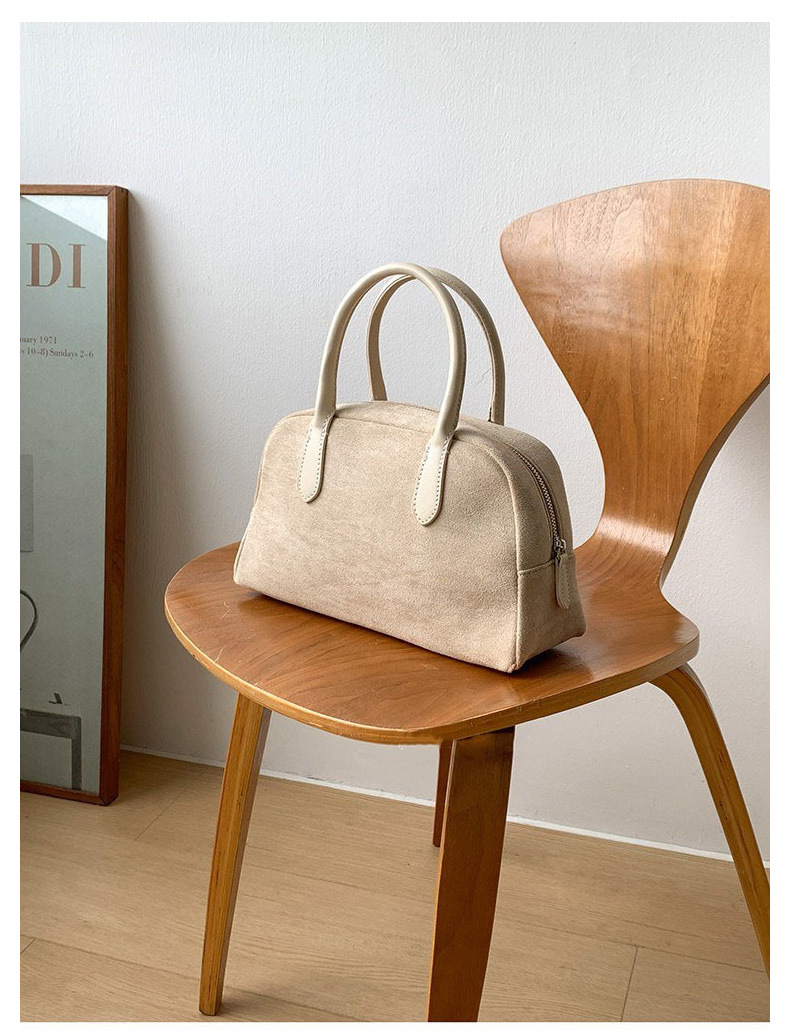


The global handbag market values heritage, craftsmanship, and a clear design identity that resonates across cultures. For a brand like PrinceBag, drawing inspiration from the revered aesthetic and technical standards associated with top French handbag houses offers a strategic pathway to build prestige while appealing to diverse international consumer segments. This article unpacks how PrinceBag can translate French-inspired design principles into scalable products and effective go-to-market strategies for global markets, with an eye toward product development, supply chain architecture, marketing, and long-term brand equity.
PrinceBag Inspired by Top French handbag brands for Global Markets
Understanding the Appeal: Why French-Inspired Design Works Worldwide
French handbag design is synonymous with a balance of refinement and practicality. Key attributes often associated with that lineage—timeless silhouettes, meticulous finishing, restrained yet distinctive hardware, and a focus on material quality—resonate with customers seeking items that function as both utility and style investments. For PrinceBag, leveraging these attributes allows the brand to position itself as a maker of enduring pieces rather than transient trends. This positioning is particularly potent in markets where consumers prioritize longevity, craftsmanship, and a clear status signal.
Adopting a French-inspired aesthetic for global markets does not mean copying; it means distilling core design philosophies—subtle luxury, attention to proportion, and material integrity—and reinterpreting them with PrinceBag’s unique voice, price architecture, and operational capabilities.
Translating French Design Principles into PrinceBag Products
A deliberate translation process—from inspiration to product—ensures authenticity and scalability. PrinceBag should systematize the translation across five core dimensions: silhouette, materiality, hardware, finishing techniques, and color palette.
– Silhouette: Favor classic, versatile shapes (structured totes, compact crossbodies, elegant Shoulder Bags) that suit multiple contexts: work, travel, and evening. Each silhouette should be optimized for ergonomics and everyday functionality: comfortable strap lengths, balanced weight distribution, and pocket organization.
– Materiality: Prioritize high-quality leathers and refined textiles that age gracefully. Introduce tiered material options to cover aspirational and accessible price points—while keeping the same core design language.
– Hardware: Use understated, durable hardware with signature motifs that are subtle yet recognizable. Hardware finish should complement leather tones and be tested for corrosion resistance in diverse climates.
– Finishing Techniques: Emphasize edge painting, stitch precision, and lining choices that feel premium. Training for craftsmen and rigorous QC will ensure consistency.
– Color Palette: Offer a core palette of neutral, wearable colors, supplemented seasonally with rich accents. This balance keeps the lineup relevant across markets and seasons.
Product Line Strategy: Balancing Heritage and Accessibility
PrinceBag should adopt a tiered product strategy that reflects French-inspired elegance while addressing broader market segments:
– Core Collection (Signature): Timeless pieces that embody PrinceBag’s design DNA and premium materials—positioned as the brand’s hero products and priced to convey long-term value.
– Contemporary Collection (Accessible Luxe): Retain the same aesthetic cues with cost-optimized materials and simplified hardware—targeted at aspirational buyers and expansion markets.
– Capsule/Seasonal: Limited-edition runs that explore new colors, textures, or artisanal techniques—driving urgency and media attention without diluting the core collection.
This structure provides clear pathways for customer entry and growth, from first purchase to higher-tier investment pieces.
Supply Chain and Manufacturing: Ensuring Quality at Scale
Achieving French-inspired quality requires a robust supply chain and skilled manufacturing. PrinceBag should focus on:
– Strategic sourcing of materials that meet durability, colorfastness, and tactile standards.
– Partnerships with specialized ateliers or manufacturing partners skilled in fine leatherwork and precision hardware assembly.
– In-house quality control protocols at critical production points to prevent variability.
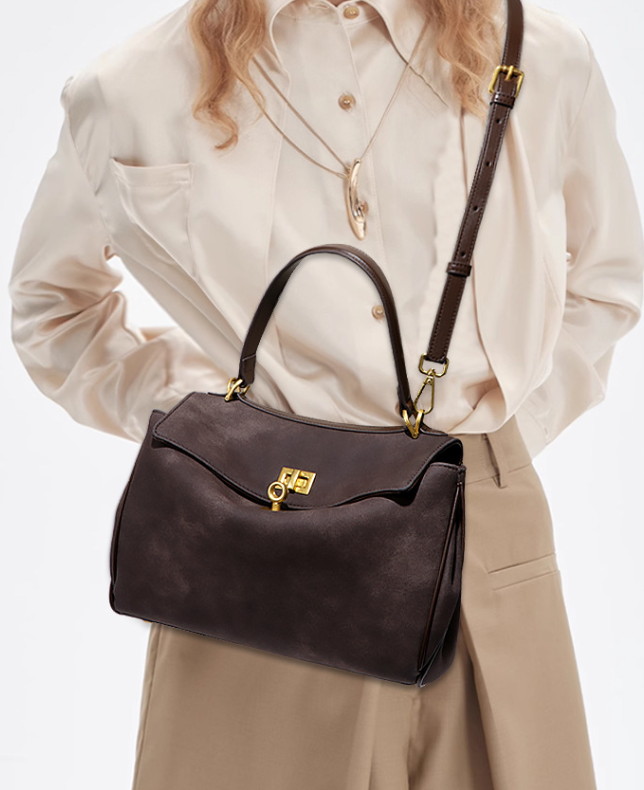
– Modular manufacturing systems allowing small-batch artisanal runs alongside larger-scale production for core SKUs.
Sourcing must also account for geographic market needs—humidity, temperature, and usage patterns differ, so material and finish choices must be tested regionally.
Sustainability and Ethical Production: Modern Expectations
Sustainability is non-negotiable for long-term brand relevance. For PrinceBag, this translates into:
– Transparent material sourcing (responsible leather, certified textiles, low-impact dyes).
– Waste reduction strategies in cutting and finishing processes.
– Clear communication about durability and repair services to extend product life cycles.
– Localized artisan partnerships where feasible, highlighting social impact and traceability.
Consumers gravitate to brands with credible sustainability commitments. PrinceBag should integrate measurable targets into product and operational planning.
Brand Storytelling: Crafting a French-Inspired Narrative for Global Audiences
Storytelling is a core differentiator. PrinceBag’s narrative should emphasize design philosophy and craft processes inspired by French standards—without appropriating locales or histories it does not own. Key storytelling pillars include:
– Design Philosophy: Communicate the principles behind product choices (proportion, restraint, durability) so consumers understand the why behind the aesthetic.
– Craftsmanship: Showcase the hands and techniques behind each piece—through video, behind-the-scenes content, and in-store narratives.
– Longevity: Frame purchases as investments—demonstrating patina development, repairability, and timeless styling tips.
– Localization: Tailor storytelling elements to cultural values in each market while preserving the core brand message.
Digital channels should prioritize high-quality imagery, product detail videos, and editorial content that places PrinceBag items in aspirational, real-world contexts.
Pricing and Positioning: Achieving Premium Perception Without Exclusion
Pricing should reflect perceived and real value—materials, craftsmanship, heritage cues, and aftercare offerings. PrinceBag’s pricing architecture can leverage:
– Anchoring: Use hero pieces as price anchors to lift perceived value of the rest of the collection.
– Tiered Pricing: Maintain distinct price bands (signature, contemporary, capsule) to capture multiple segments.
– Value-Add Services: Offer cleaning, repair, and authentication services that justify premium pricing and build loyalty.
Price transparency and consistent quality are essential to avoid erosion of trust in international markets.
Retail Experience and Omnichannel Distribution
The retail experience should reflect PrinceBag’s design ethos—refined, minimal, and service-oriented. Considerations include:
– Flagship stores in key global cities that serve as brand stages—focusing on product immersion rather than overstocking.
– Shop-in-shop and wholesale partnerships with premium retailers in markets where direct retail isn’t immediately viable.
– A strong e-commerce platform optimized for visual storytelling, localized payment and delivery options, and a streamlined returns process.
– After-sales care and authentication options available through both digital and physical channels.
Seamless omnichannel experiences—consistent pricing, inventory transparency, and unified customer service—are critical for global brand coherence.
Digital Marketing and Community Building
Digital marketing should balance aspirational content with practical product demonstrations. Strategies include:
– Content marketing that educates on craftsmanship, product care, and styling.
– Localized campaigns that respect cultural nuance while maintaining brand consistency.
– Influencer partnerships where appropriate, focused on alignment with PrinceBag’s design values rather than follower counts alone.
– CRM and loyalty systems to retain repeat buyers—offer exclusives, early access, and repair credits.
Building an engaged community hinges on authenticity: customers should feel connected to PrinceBag’s design story and confident in product quality.
Risks, Mitigation, and Operational KPIs
Launching a French-inspired luxury line under PrinceBag presents specific risks:
– Perception Gap: If product quality doesn’t match the implied prestige, brand trust will erode. Mitigation: rigorous QC, honest storytelling.
– Supply Chain Disruptions: Material shortages or production delays can damage timelines. Mitigation: dual-sourcing, buffer inventory, and flexible manufacturing.
– Market Misalignment: Misjudging demand in different regions can lead to overstock or missed opportunities. Mitigation: pilot launches, localized assortment planning, and data-driven forecasting.
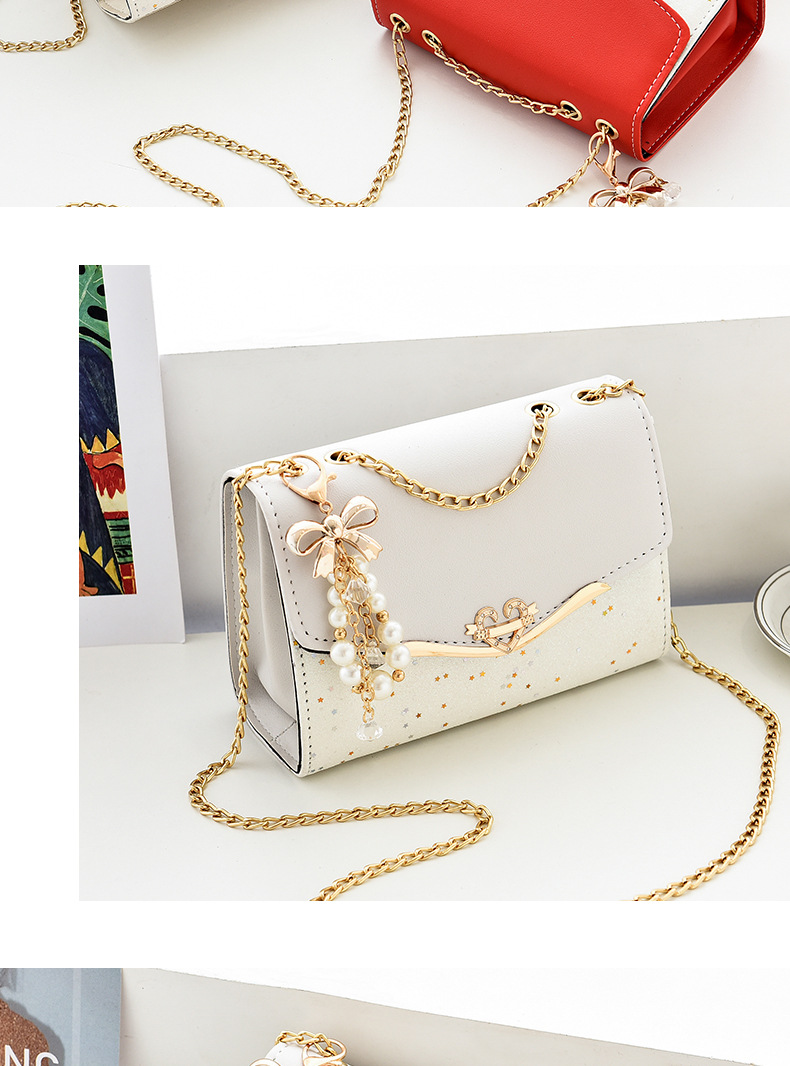
Key operational KPIs to track include production defect rate, time-to-market for new styles, gross margin by collection, return and repair rates, and customer lifetime value (CLV).
Analysis Table: Translating French-Inspired Elements into PrinceBag Strategy
| Design Element | French Design Principle | PrinceBag Implementation | Expected Global Market Impact | Priority |
|---|---|---|---|---|
| Silhouette | Timeless proportions; versatile functionality | Core structured and soft-structured lines across sizes with ergonomic straps | Broad appeal; repeat purchases across demographics | High |
| Materiality | High-quality leathers and refined textiles that age well | Tiered material offerings; tested durability and regional adaptations | Perceived value and longevity; reduced returns | High |
| Hardware | Understated, durable metalwork with signature cues | Custom hardware motifs, corrosion-resistant finishes | Recognizable identity; improved product lifespan | Medium |
| Finish & Craft | Impeccable stitching, edge finishing, and lining choices | Atelier partnerships, in-house QC, repair program | Premium perception; stronger brand loyalty | High |
| Color & Styling | Neutral core palette with tasteful seasonal accents | Core neutrals year-round; limited seasonal color drops | Cross-market adaptability; keeps collection fresh | Medium |
Market Entry and Expansion Roadmap
A measured rollout minimizes risk and builds brand equity:
1. Pilot Launches: Introduce the Signature collection in one or two flagship cities with a strong luxury market presence. Use pop-up format to test product-market fit and collect consumer feedback.
2. E-commerce Emphasis: Simultaneously launch a global e-commerce experience with localized logistics and customer service. Collect data to refine assortments for specific regions.
3. Wholesale Partnerships: After validating demand, expand via curated retail partners—ensuring they align with PrinceBag’s brand standards and service expectations.
4. Scale Production: Gradually scale manufacturing while maintaining artisanal quality. Invest in workforce training and QC systems to preserve finish and fit.
5. Geographic Expansion: Prioritize markets by sales performance, brand resonance, and operational feasibility—introducing market-specific assortments as needed.
Customer Experience and Aftercare as Differentiators
Service elements can distinguish PrinceBag in competitive markets:
– Bespoke Services: Offer limited customization (monogramming, strap choices) to enhance emotional attachment.
– Repair & Maintenance: A clear repair and maintenance program extends product life and reinforces sustainability claims.
– VIP Care: For high-value customers, provide white-glove services such as personal shopping, dedicated client advisors, or exclusive preview events.
Delivering consistent, elevated aftercare will convert satisfied purchasers into brand ambassadors.
Financial Considerations and ROI Expectations
Investment in quality materials and skilled manufacturing will increase initial cost of goods sold (COGS), but these outlays should be recovered through premium pricing, lower return rates, and higher lifetime value. Key financial levers include:
– Optimizing SKU count to balance variety and inventory turnover.
– Implementing pre-order models for seasonal drops to reduce markdown risk.
– Using direct-to-consumer channels to capture higher margins while maintaining strategic wholesale relationships for reach.
Measure early ROI through gross margin per collection, conversion rates (online and in-store), repeat purchase rates, and average order value (AOV).
Building a Global Brand with French-Inspired Integrity
PrinceBag’s opportunity lies in authentically interpreting the design principles associated with top French handbag traditions—timeless design, meticulous finishing, and material excellence—while building a business model tailored for global scalability. Success requires alignment across product design, manufacturing rigor, strategic pricing, and storytelling that communicates value without pretense. By prioritizing craftsmanship, sustainability, and a tiered product approach, PrinceBag can cultivate long-term brand equity, foster customer loyalty, and compete effectively across markets.