


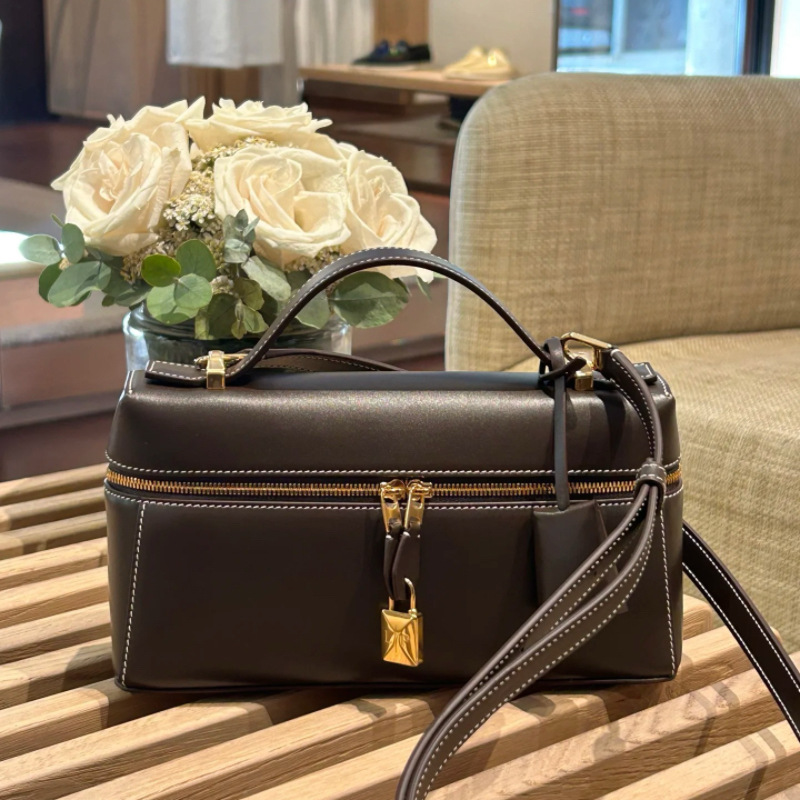
PrinceBag Sling Leather handbags Manufacturer Direct Wholesale occupies a specific and compelling niche in the leather accessories market: high-quality sling handbags produced by a manufacturer that sells directly to retailers and distributors. This direct-manufacturing-to-wholesale model eliminates unnecessary intermediaries, reduces per-unit costs, and allows retailers to access custom designs, consistent quality, and reliable production capacity. For boutique owners, online retailers, and large chains seeking stylish, durable sling leather handbags, PrinceBag’s approach offers both operational efficiency and market differentiation.
This article explores PrinceBag’s strengths, production practices, wholesale model, product features, market positioning, and practical steps for sourcing. It also includes an analysis table summarizing key product and supply considerations that retailers typically evaluate when choosing a direct manufacturer.
What Makes PrinceBag Stand Out
Focused Product Expertise
PrinceBag specializes in sling leather handbags—items that require a balance of form and function. Unlike multifunction factories that spread capabilities thin, a focused manufacturer builds deep expertise in pattern making, leather cutting, hardware sourcing, and ergonomic strap design. This specialization often translates to better-fitting silhouettes, cleaner construction, and more thoughtful pocketing and closures.
Manufacturer-to-Wholesaler Advantages
Selling direct to wholesalers and retailers reduces layers of markup. PrinceBag can offer competitive wholesale pricing, consistent minimum order quantities (MOQs), and greater flexibility in customization. Direct communication with the factory shortens lead times and improves responsiveness to design revisions or volume changes.
Materials and Craftsmanship
Leather Types and Selection
PrinceBag commonly works with full-grain, top-grain, and split-grain leathers, as well as premium bonded and vegetable-tanned options. Each leather type has trade-offs:
– Full-grain: Highest durability and natural patina, premium price.
– Top-grain: More uniform appearance and slightly more affordable.
– Split-grain (with coated finish): Economical and consistent for fashion-forward collections.
Understanding the material mix helps retailers position products across value tiers—luxury, premium, or fashion.
Hardware and Accessories
Hardware (zippers, buckles, clasps, rivets) defines both longevity and perceived value. PrinceBag typically sources corrosion-resistant metal hardware, options for antique or matte finishes, and adjustable strap components that meet commercial durability standards. Custom stamping and branded zippers are available for order customization.
Construction and Quality Techniques
PrinceBag emphasizes reinforced stress points, double-stitching in high-tension areas, proper edge finishing (burnishing or painted edges), and accurate pattern grading to ensure consistent fit across sizes. Their production lines often include both skilled handwork for finishing and mechanized processes for repeatable stitching and cutting.
Manufacturing Capabilities and Flexibility
Production Scale and Lead Times
A direct manufacturer like PrinceBag can scale from small-batch orders for boutiques to larger runs for national retailers. Typical lead times depend on order size and customization:
– Sample orders: 2–4 weeks (design, prototyping, sample approvals)
– Small wholesale runs: 4–8 weeks
– Large production runs: 8–14 weeks
These timeframes include sourcing of leather, hardware, production, and finishing.
Customization and OEM Services
Chain stores and private-label brands often require private-labeling, custom colorways, logos, and unique hardware. PrinceBag’s OEM services include:
– Custom design and pattern-making
– Logo embossing and metal-branding
– Color matching and custom dyes
– Private-label packaging
This flexibility allows retailers to maintain brand identity while benefiting from factory pricing.
Quality Control, Certifications, and Compliance
Quality Assurance Processes
PrinceBag implements multi-stage quality checks: raw material inspection, inline production checks, pre-finishing inspection, and final audit before shipping. Metrics tracked typically include stitch density, seam integrity, zipper function, hardware finish, and dimensional tolerances.

Certifications and Ethical Compliance
For many buyers, social responsibility and regulatory compliance matter. PrinceBag can support documentation for:
– Material safety (e.g., REACH, heavy-metal testing)
– Ethical labor practices (factory audits, supplier codes of conduct)
– Environmental management (waste-water treatment, chemical use policies)
Requesting up-to-date certifications and audit reports is a recommended step when evaluating any direct manufacturer.
Wholesale Model and Pricing Strategy
Minimum Order Quantities (MOQs) and Price Breaks
Wholesale pricing is typically linked to MOQs and tiered discounts. PrinceBag’s direct model often enables lower MOQs than working through intermediaries, making it appealing to emerging brands and boutique buyers. Price breaks can occur at volume thresholds—e.g., 50, 200, 500 units—with per-piece cost reductions at each level.
Cost Components
Wholesale cost includes:
– Material costs (leather, lining, hardware)
– Labor and overhead
– Tooling and pattern fees (one-time for custom)
– Shipping and logistics
– Inspection and certification fees
Understanding these components helps buyers negotiate and forecast margins.
Supply Chain and Logistics
Shipping Options and Consolidation
PrinceBag can coordinate sea, air, or courier shipments depending on urgency and budget. Consolidation services for multi-style orders reduce freight costs and simplify customs. Retailers should compare landed cost projections for clarity on final pricing.
Inventory Management and Reorder Strategies
Direct relationships make it easier to set up reorder cycles and safety stock agreements. A typical approach:
– Start with a test order (assortment of bestsellers)
– Monitor sell-through and re-order monthly/quarterly
– Increase orders based on historic demand and seasonal patterns
This reduces overstock risk while maintaining product availability.
Sustainability and Ethical Sourcing
Leather Sourcing and Environmental Impact
PrinceBag can provide options for vegetable-tanned leather and leathers produced in tanneries that limit chemical discharge. Brands increasingly prioritize traceability—where the hide originated, tanning methods, and downstream processing.
Recycled and Alternative Materials
For market segments seeking lower environmental impact, PrinceBag offers alternative materials—like recycled leather composites and high-quality PU—that provide cost-effective, animal-friendly alternatives.
Target Markets and Sales Strategies
Buyer Profiles
– Independent boutiques seeking unique private-label designs
– E-commerce retailers needing cost-effective, branded product lines
– Department stores ordering consistent seasonal assortments
– Corporate gift procurement for branded giveaways
Each buyer type values different attributes: exclusivity, low MOQ, aggressive margins, or compliance documentation.
Go-to-Market and Merchandising Tips
– Position sling handbags as functional fashion—emphasize hands-free convenience.
– Use lifestyle imagery that shows scale and context (e.g., commuting, travel).
– Offer bundles (sling + small wallet) to increase average order value.
– Rotate color stories seasonally and test limited-edition runs to create urgency.
Analysis Table: Product and Supply Considerations
| Product Feature | Description | Benefit to Retailer | Wholesale Consideration | Quality Check |
|---|---|---|---|---|
| Leather Type | Full-grain, top-grain, split-grain, vegan alternatives | Defines price tier and customer perception | MOQ and lead time vary by leather availability | Inspect for finish consistency and defects |
| Hardware | Zippers, buckles, clasps, D-rings; plated finishes | Longevity and perceived value | Custom hardware increases tooling costs | Test corrosion, pull strength, and finish rub |
| Design Complexity | Pockets, adjustable straps, convertible features | Higher margin if functional and well-executed | Complex designs raise labor and time per unit | Verify functionality and assembly tolerances |
| Pricing & MOQ | Tiered pricing with sample and production MOQs | Impacts initial investment and inventory risk | Negotiate sample fees and tier thresholds | Confirm price includes inspection and packaging |
| Lead Time & Logistics | Sample, small batch, mass production timelines; shipping | Influences promotional timing and stock planning | Air vs. sea shipping trade-offs on cost/time | Track production milestones and pre-shipment checks |
How to Work with PrinceBag: Practical Steps for Retailers
1. Initial Inquiry and Capability Assessment
Start by sharing product requirements: target retail price, desired materials, approximate annual volume, and preferred delivery windows. Request a capability sheet and references.
2. Sampling and Design Iteration
Order prototypes to check fit, finish, and materials. Expect 1–3 rounds of samples for a new design. Use this phase to finalize hardware, lining, and small details like strap width.
3. Contracting and Terms
Negotiate MOQs, payment terms (deposit percentages), quality acceptance criteria, and penalties for missed lead times if necessary. Clarify intellectual property ownership for custom designs.
4. Production and Inspection
Set up inline inspections and final pre-shipment audits. Consider third-party inspection if you cannot visit the factory.
5. Shipping and After-Sales
Agree on shipping methods and responsibilities (Incoterms). Arrange for spare parts or small replacements if issues arise after delivery.
Frequently Asked Questions (FAQs)
Can PrinceBag handle small-batch orders?
Yes—one of the advantages of direct wholesale manufacturing is flexibility. Expect slightly higher per-unit costs at low quantities, but many brands prefer this to avoid overstock.
How customizable are the sling handbag styles?
Highly customizable—colors, linings, hardware, branding, and small structural changes can be accommodated. Custom tooling or hardware may increase initial costs.
What are typical wholesale margins?
Margins depend on retail pricing strategy, but retailers often aim for 50–60% keystone markup on wholesale cost. Factor in shipping, duties, and marketing when calculating final margins.
Conclusion: Strategic Benefits of Partnering Directly
Partnering with PrinceBag Sling Leather Handbags Manufacturer Direct Wholesale offers a strategic pathway for retailers and brands seeking reliable sourcing, product customization, and cost-effective wholesale pricing. The direct-manufacturer model reduces intermediaries, enables better control over quality and design, and allows retailers—from boutique owners to large chains—to scale assortments with predictable lead times. By focusing on robust quality control, flexible MOQs, and transparent supply chain practices, a partnership with a specialized manufacturer like PrinceBag positions retailers to compete effectively in a crowded handbag market.
To move forward, request a capability pack, ask for samples, and define your target retail positioning. With the proper planning and clear communication, PrinceBag can be a dependable partner for building a compelling sling handbag assortment that balances style, durability, and margin performance.