

For B2B buyers in fashion, accessories, and retail, sourcing handbags directly from a reliable manufacturer can be a game changer. Working with a manufacturer like PrinceBag (assuming they operate as a dedicated women’s handbag factory) can unlock lower unit costs, improved control over product specifications, faster iteration on designs, and stronger long-term supply reliability. This article explores the practical considerations B2B buyers should evaluate when purchasing women’s handbags directly from a manufacturer, including product range, customization and OEM/ODM capabilities, quality control, pricing structures, logistics, compliance, and partnership best practices.
Sourcing direct is not simply about the lowest price. It’s about aligning product quality, time-to-market, brand identity, and supply-chain resilience. The following sections provide a structured, professional guide for buyers evaluating PrinceBag or similar handbag manufacturers for wholesale procurement.
Why Manufacturer-Direct Wholesale Matters for B2B Buyers
– Cost efficiency: Eliminating intermediaries reduces markup layers and often increases margin flexibility for retailers, distributors, and private-label brands.
– Customization and branding: Manufacturers typically offer OEM/ODM services that allow buyers to specify materials, hardware, lining, tags, and packaging.
– Quality accountability: Direct relationships improve clarity on quality specifications, inspection criteria, and corrective actions.
– Lead time control: Direct communication reduces back-and-forth delays and makes production scheduling more predictable.
– Scalability: Manufacturers are equipped to scale production up or down to match seasonal demand and promotional cycles.
For B2B buyers focused on apparel and accessories, these strategic advantages translate into concrete business outcomes: faster product launches, stronger brand differentiation, and more predictable margins.
Understanding PrinceBag’s Product Range
A typical handbag manufacturer serving B2B customers will offer a product portfolio that balances trend-driven SKUs with evergreen staples. Below is an illustrative analysis table that helps buyers compare common handbag categories, material options, typical minimum order quantities (MOQs), estimated price bands (per unit), and standard production lead times. These figures are indicative; actual numbers should be confirmed with PrinceBag or any manufacturer during negotiation.
| Style / Use Case | Material Options | Typical MOQ | Estimated Price Range (USD/unit) | Estimated Lead Time (production) |
|---|---|---|---|---|
| Tote Bags (everyday/retail) | PU leather, vegan leather, canvas, genuine leather | 200–500 pcs | $8 – $45 | 25–45 days |
| Crossbody & Sling Bags | PU, microfiber, nylon, cowhide | 200–400 pcs | $6 – $40 | 25–40 days |
| Shoulder Bags & Hobo | Genuine leather, PU, suede, fabric blends | 100–300 pcs | $12 – $60 | 30–50 days |
| Clutches & Evening Bags | Patent PU, satin, embellished fabrics, leather | 200–500 pcs | $5 – $35 | 20–40 days |
| Backpacks & Utility Bags | Nylon, canvas, PU, leather accents | 300–800 pcs | $8 – $55 | 30–60 days |
Note: Price ranges reflect factory (FOB) pricing before shipping, duties, and final retail markup. MOQs vary based on material complexity, hardware customization, and whether the order is full custom (OEM) or a stock colorway.
Customization and OEM/ODM Capabilities
For B2B buyers building private labels or exclusive collections, OEM (Original Equipment Manufacturer) and ODM (Original Design Manufacturer) services are essential. Key customization capabilities to verify:
– Material sourcing: Can the manufacturer source specific leathers, recycled/sustainable fabrics, or custom-printed textiles?
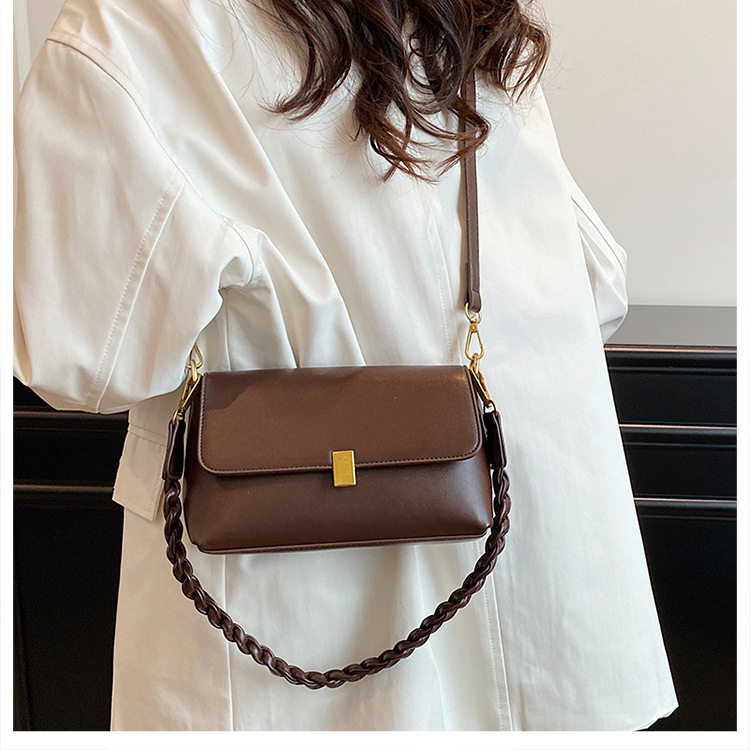
– Hardware and trims: Availability of custom zippers, metal logos, buckles, and color-matched hardware plating.
– Construction details: Stitch density, edge finishing, lining options, internal pockets, and protective feet.
– Branding: Custom labels, hangtags, dust bags, and retail-ready packaging.
– Pattern and fit adjustments: Technical development to refine dimensions and ergonomics for your target customer.
Best practices for working on custom projects include providing clear tech packs, mood boards, and target pricing. Agree on pre-production samples (proto, PP sample, and pre-production sample) and set a revision limit or change fee schedule.
Quality Control and Material Standards
A reputable manufacturer will have quality management processes that include incoming material inspection, in-line checks, end-of-line inspections, and final random inspections before shipment. Important quality checkpoints:
– Material verification: Ensure weight (gsm), colorfastness, peel strength for laminates, and color matching across batches.
– Hardware strength: Tensile testing for handles, strap attachment security, and zipper cycles.
– Stitching and seam integrity: Uniform stitch count and secure backstitching on stress points.
– Water-resistance and finish: Surface treatments, PU coating consistency, and gluing quality.
– Functionality: Test closures, interior pockets, and strap adjusters for everyday usability.
Ask the manufacturer for sample inspection reports and third-party audit options (SGS, Bureau Veritas) if you require compliance verification.
Pricing Structure, MOQ, and Payment Terms
Pricing depends on materials, complexity, order size, and the level of customization. Typical commercial parameters for B2B transactions:
– FOB price: Factory price per unit, excludes shipping and customs. Negotiate based on order volume and multi-season commitments.
– Minimum Order Quantity (MOQ): Often 100–500 pieces per design/color. Some manufacturers accept lower MOQs at higher per-unit costs or charge tooling/sample fees.
– Deposit and balance: Standard terms are 30% deposit at order placement and 70% before shipment; some factories accept letters of credit for large orders.
– Volume discounts: Tiered discounts at quantity thresholds simplify pricing for buyers scaling inventory.
– Hidden costs: Tooling, custom hardware molds, sample fees, and packaging artwork charges.
Always request a full pro forma invoice and a breakdown of costs so you can compare suppliers transparently.
Supply Chain, Lead Times, and Logistics
Reliable lead times require clarity across material sourcing, production scheduling, and shipping. Key considerations:
– Material lead times: Leather and specialty hardware can add 2–6 weeks before production starts. Confirm whether the manufacturer stocks critical components.
– Production scheduling: Peak seasons (Q3–Q4 for holiday) can extend lead times; secure factory slots early.
– Consolidation and shipping: Discuss sea freight vs. air freight options, and factory’s experience with DDP/DDU terms if you prefer landed cost solutions.
– Inventory management: Consider rolling production or safety stock models to reduce stockouts.
– Contingency planning: Evaluate backup suppliers, buffer weeks, and the manufacturer’s capacity flexibility during disruptions.
A clear Master Production Schedule (MPS) and regular production updates (e.g., weekly reports, photo/video evidence of assembly) reduce surprises.
Sustainability, Compliance, and Certifications
Sustainability is increasingly important for B2B buyers and end consumers. Relevant aspects to verify:
– Material certifications: Recycled content claims, OEKO-TEX, or LWG (Leather Working Group) for responsibly sourced leather.
– Chemical compliance: Limits on restricted substances (e.g., REACH, California Proposition 65) and availability of Material Safety Data Sheets (MSDS).
– Social compliance: Factory audit reports (SMETA, BSCI) verifying labor standards and workplace safety.
– Environmental management: ISO 14001 or corporate sustainability policies for waste reduction and water/energy management.
Buyers should request documentary evidence and, when necessary, commission independent audits.
How to Vet and Audit a Manufacturer
To reduce risk, conduct structured vetting:
– Documentation review: Business license, export documentation, and reference clients.
– Sample verification: Evaluate multiple samples for consistency, workmanship, and materials.
– Factory visit or virtual audit: Inspect production lines, finishing, warehousing, and sample rooms.
– Quality system review: SOPs, inspection checklists, and defect rate targets.
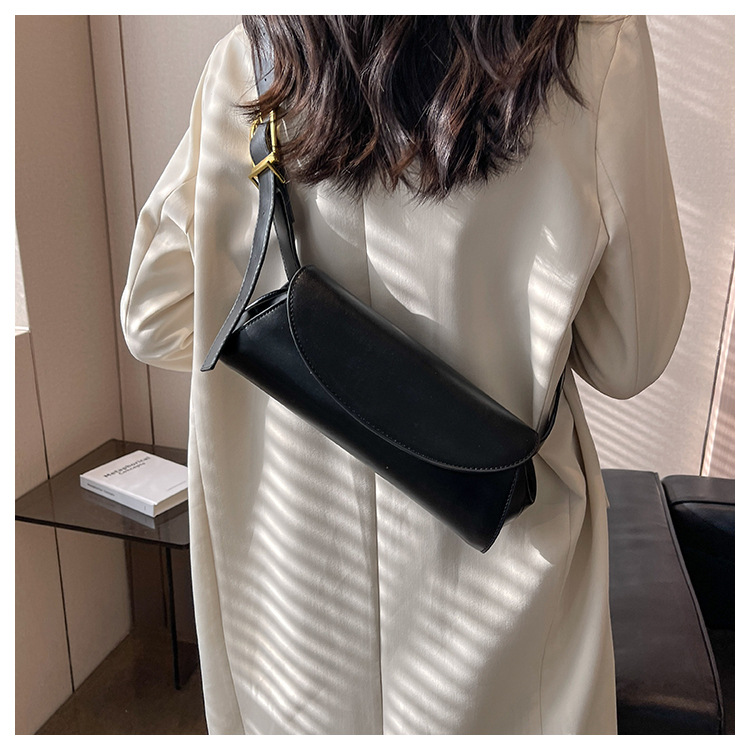
– References and reputation: Speak with current customers and request case studies of similar projects.
A short list of recommended pre-audit questions: Can you share recent inspection reports? What are your reject rates? Do you offer insurance or compensation for quality failures? What is your corrective action process?
Sample and Production Workflow
A typical workflow for a custom handbag order:
1. Initial inquiry: Share SKU references, target price, and desired timelines.
2. NDA and design transfer: Sign NDAs if sharing proprietary designs.
3. Quotation & tech pack: Receive detailed FO B pricing and production terms.
4. Prototyping: Develop proto sample (1–2 weeks) and iterate until design frozen.
5. Pre-production sample (PPS): Final sample reflecting mass-production materials and hardware.
6. Bulk production: Factory schedules production once deposit is received.
7. In-process inspections: Midline checks and corrective actions.
8. Final inspection and shipment: Release on passing agreed acceptance criteria.
Clear milestones, sign-offs, and documented sample approvals are essential to avoid disputes.
Negotiation Tips and Building Long-term Partnerships
– Start with a pilot order: A smaller initial run helps test market demand and the manufacturer’s execution.
– Consolidate SKUs: Combining multiple SKUs in one PO can reduce per-unit costs.
– Commit to seasons: Sharing a 6–12 month plan encourages the factory to prioritize your production.
– Share forecasts and flexibility: Provide rolling forecasts to help the factory plan raw material purchases.
– Create KPI agreements: Lead time adherence, defect rate thresholds, and on-time delivery targets help measure performance.
Treat the factory as a partner; long-term collaboration typically delivers better quality, priority scheduling, and cost improvements.
Case Scenarios and ROI Considerations
Scenario A — Private Label Launch:
– Order: 1,000 tote bags at $12 FOB per unit.
– Total product cost: $12,000.
– Landed cost (estimate): +$4,000 shipping & duties = $16,000.
– Retail markup (keystone): $24 retail price yields gross margin on retail of ~50% depending on channel.
– ROI: Rapid margin recovery if sell-through is efficient and returns are low.
Scenario B — High-Volume Retailer:
– Order: 5,000 crossbody bags at $6 FOB per unit.
– Economies of scale reduce unit cost to $5.20 at 10k.
– Lower unit cost opens aggressive promotions or higher margins.
Key ROI drivers: sell-through rate, return and defect rates, freight optimization, and marketing efficiency.
Frequently Asked Practical Questions
– What is a realistic timeline from sample to shipment? Typically 6–10 weeks for standard orders; complex OEMs may take longer.
– Can you mix materials in one PO? Yes, but confirm separate MOQs and lead times for each material.
– How to reduce MOQ? Pay higher per-unit price, agree to shared tooling costs, or join consolidated orders with other buyers.
– What warranties are typical? Limited warranties focused on manufacturing defects for a defined period (e.g., 90–180 days).
Sourcing women’s handbags directly from a manufacturer like PrinceBag can be a strategic move for B2B buyers seeking cost efficiency, product control, and brand differentiation. Critical success factors include thorough vetting of the factory’s capabilities, clear technical specifications, robust quality control, realistic lead time expectations, and transparent commercial terms.