


Stable Stock American Leather handbags Manufacturer PrinceBag — A Manufacturing Profile and Strategic Analysis
PrinceBag has positioned itself as a specialist partner for brands and retailers seeking reliably available, well-crafted American leather handbags. In a marketplace that rewards both design authenticity and supply predictability, a manufacturer that combines consistent finished-goods availability (“stable stock”) with leather expertise can be a strategic advantage for wholesale buyers, private-label designers, and omni-channel retailers. This article examines PrinceBag’s capabilities from raw materials and production through inventory management, sustainability and market positioning, and concludes with practical recommendations for retail and brand partners evaluating a collaboration.
What “Stable Stock” Means for Buyers
Stable stock refers to a manufacturer’s ability to maintain a predictable level of finished goods inventory available to fulfill repeat or replenishment orders with minimal lead time variation. For handbag buyers, especially those operating online retail or department-store replenishment cycles, stable stock reduces risk: fewer stockouts, faster reorder turnaround, and the ability to run promotions without lengthy production delays. PrinceBag’s proposition centers on combining stable stock with the tactile and visual qualities of American-leather goods — a combination that appeals to buyers seeking both product integrity and supply-side reliability.
Materials and Sourcing: The American Leather Advantage
Leather sourcing and grade selection determine much of a handbag’s look, durability and price point. PrinceBag emphasizes American leather — typically implying hides finished or tanned in the United States and/or hides sourced from U.S. supply chains. American-sourced leathers are often prized for their full-grain or top-grain characteristics, tighter quality control during tanning, and provenance that resonates with consumers prioritizing local materials.
Key material strategies used by manufacturers like PrinceBag:
– Prioritize full-grain and top-grain leathers for premium lines, with corrected-grain or split leathers reserved for more affordable ranges.
– Maintain traceability protocols to document origin, tanning process and chemical management — an expectation from larger retailers and compliance frameworks.
– Standardize hardware and lining specifications to streamline stocking and assembly while allowing for seasonal or designer-driven variations.
These practices support a balance of quality and SKU rationalization — crucial for maintaining stable stock.
Production, Craftsmanship and Quality Control
PrinceBag’s manufacturing approach emphasizes craftsmanship married to process controls. That entails:
– Pattern engineering and CAD-driven sample cycles to reduce prototype iterations.
– Clear workmanship standards (stitch counts per inch, edge finishing specs, attachment tolerances) to ensure consistency across batches.
– Inline and final inspections that combine visual inspections with measurable checkpoints (e.g., strap pull tests, zipper cycle counts) to catch defects before items enter finished-goods inventory.
For buyers, the outcome is twofold: products that meet consistent quality expectations and a reliable inflow of finished goods into the manufacturer’s stable-stock pool.
Inventory Strategy and Supply Chain Practices
A manufacturer claiming stable stock typically uses layered inventory practices. PrinceBag’s likely strategies include:
– Safety stock for core SKUs that historically sell well (standard colors, classic silhouettes).
– SKU rationalization to reduce unnecessary breadth and focus on depth for high-turn items.
– Rolling forecasts and collaborative planning with large buyers to keep replenishment predictable.
– Use of ERP or inventory-management systems to monitor reorder points, lead-time variability and inventory aging.
These practices reduce stockouts while allowing the manufacturer to respond to trends through controlled production runs and seasonal releases.
Design Services, Customization and Private-Label Production
PrinceBag offers services relevant to private-label and white-label clients:
– Full ODM and OEM capabilities: from technical drawings and prototyping to tooling for hardware and embossing.
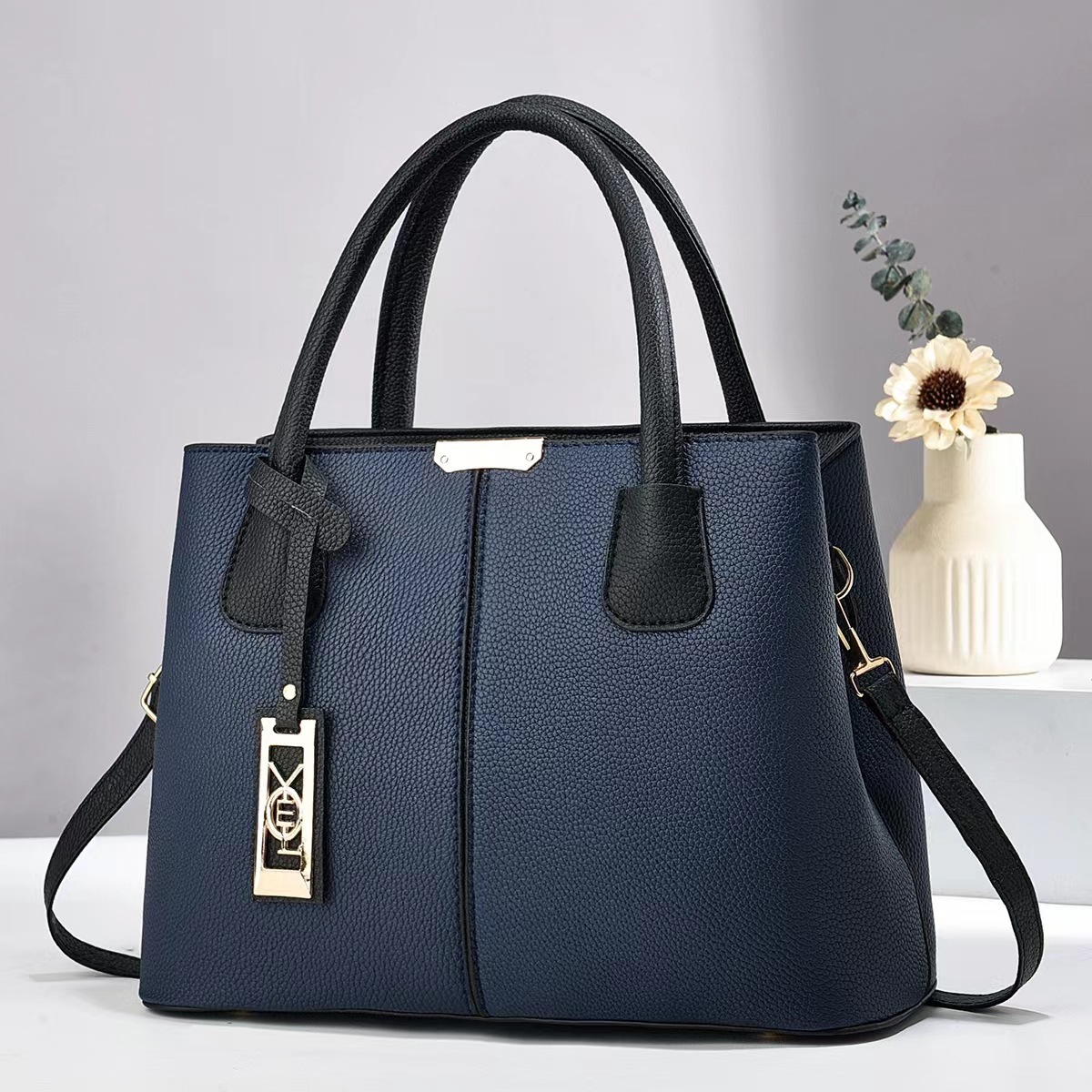
– Flexible minimum order quantities (MOQs): options for core “stable stock” SKUs with low MOQs for private-label sampling and higher MOQs for dedicated production runs.
– Color matching, hardware selection and logo application options that allow brand differentiation without destabilizing the manufacturer’s base inventory.
Combining customization with a stable-stock program means buyers can place small design-driven orders while relying on a backbone of replenishable styles.
Distribution, Logistics and Lead-Time Management
Stable stock manufacturers usually maintain either regional warehouses or a quick-turn distribution operation linked to their production site. For U.S.-focused brands, this might mean:
– Domestic warehousing enabling two- to five-day fulfillment for commonly stocked SKUs.
– Dropship and third-party logistics (3PL) integration for direct-to-consumer channels.
– Clear lead-time tiers: in-stock items ship within days; custom or made-to-order lines follow agreed production calendars.
This logistical setup is central to PrinceBag’s value proposition: predictable replenishment cadence and faster time to market for restocks.
Sustainability, Compliance and Traceability
Leather production faces increasing scrutiny for environmental and chemical impacts. A forward-looking manufacturer like PrinceBag engages with:
– Responsible leather sourcing and, where possible, suppliers with Leather Working Group (LWG) or equivalent environmental credentials.
– Restricted Substance Lists (RSLs) compliance to meet retailer and regulatory chemical requirements.
– Waste-management practices in cutting and tanning along with efforts to reduce packaging waste.
Sustainability is also a commercial asset: retail partners increasingly favor suppliers who can demonstrate tangible improvements and compliance in their supply chains.
Market Positioning: Where PrinceBag Fits
PrinceBag’s niche is at the intersection of accessible luxury and reliable supply:
– Price positioning: typically mid-luxury to accessible-luxury, depending on leather grade, hardware and detailing.
– Target customers: boutique brands, DTC labels seeking private-label production, department-store buyers looking for reliable replenishment partners, and retailers with an emphasis on American-sourced material stories.
– Competitive edge: the combination of American-leather positioning with a stable-stock offering that minimizes replenishment friction.
This blend appeals to buyers who want the narrative of artisanal materials with the operational predictability of a large-scale supplier.
Competitive Advantages and Operational Risks
Advantages:
– Predictable inventory availability reduces buyers’ markdown and lost-sales risk.
– Emphasis on American leather supports premium storytelling and potentially better control over material standards.
– Flexibility in customization allows brand differentiation without large production disruptions.
Risks and mitigations:
– Leather price volatility and raw-material availability — mitigated through multi-sourcing and contractual hedges.
– Labor and manufacturing cost pressures — mitigated through process efficiency, selective automation and SKU rationalization.
– Sustainability and regulatory shifts — mitigated through certification, transparency and investment in compliant suppliers.
How Retailers and Brands Should Evaluate PrinceBag
When considering PrinceBag as a supplier, buyers should evaluate:
– SKU Coverage: Which core styles are kept in stable stock, and which require lead times?
– Quality Benchmarks: Sample multiple production lots to assess consistency.
– Contract Terms: Minimum order quantities, replenishment windows and price protections for material cost fluctuations.
– Logistics Capabilities: Warehouse locations, shipping lead times and 3PL integrations.
– Sustainability Documentation: RSLs, LWG status of tanneries, and traceability policies.
A vendor audit — including factory visits or third-party inspections — helps verify claims about stable stock, capacity and compliance.
Analysis Table — PrinceBag Core Attributes
| Attribute | Typical Specification / Example | Impact on Buyers | Risk / Mitigation | Notes |
|---|---|---|---|---|
| Material Quality | Full-grain / top-grain American-sourced leather; premium linings | Higher perceived value; longer product life; premium pricing | Price volatility — mitigation via multi-source contracts and tiered product lines | Ideal for mid-luxury and private-label segments |
| Production Capacity | Scalable: boutique batches to larger runs; configurable per contract | Flexible order sizes; supports both small brands and larger retailers | Capacity bottlenecks during peak demand — mitigation via forecast sharing | Useful for seasonal replenishment and core-stock SKUs |
| Lead Time / Stable Stock | In-stock SKUs: days to ship; custom orders: weeks/months | Improves replenishment speed; reduces lost sales | Inventory aging — mitigation via SKU rationalization and demand forecasting | Buyers should confirm in-stock SKUs list and review reorder points |
| Customization / Design Services | ODM/OEM support, sampling, hardware selection, private-labeling | Enables brand differentiation while maintaining steady backstock | Longer development cycles for complex designs — mitigation via clear timelines | Combination of custom runs and stable-stock items is recommended |
| Sustainability & Compliance | RSL adherence; cooperation with tanneries pursuing certifications | Meets retailer standards and consumer expectations; access to larger accounts | Regulatory changes and certification costs — mitigation via phased investments | Transparency in sourcing is increasingly required by buyers |
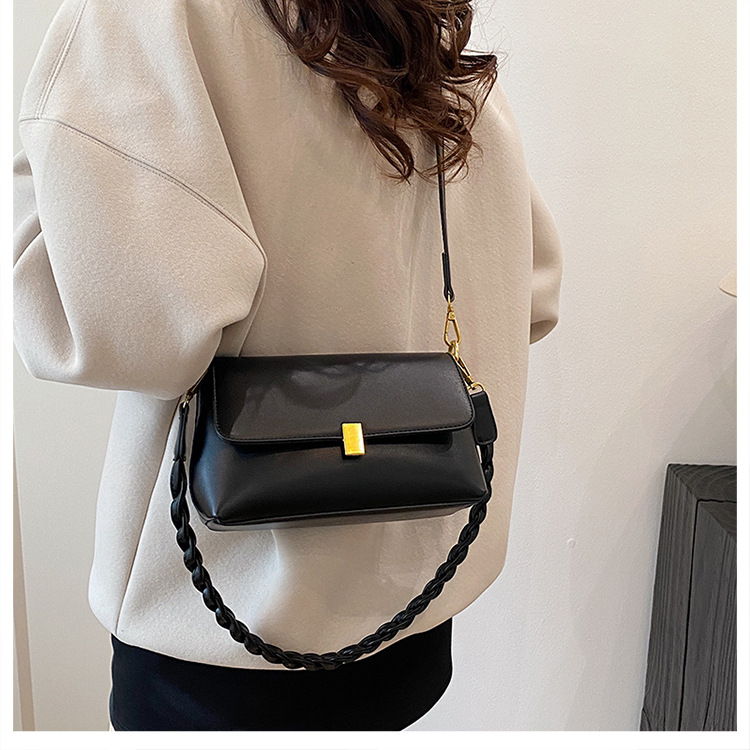
Case Scenarios: How Buyers Typically Use PrinceBag
– A DTC handbag brand wants a core “work” and “weekender” silhouette in three colors always available: they place an initial private-label order and then use PrinceBag’s stable-stock replenishment for monthly top-ups.
– A department store wants seasonal exclusives but also reliable staples: they co-develop a small collection while relying on PrinceBag’s in-stock staples for consistent turnover.
– A startup e-commerce label minimizes inventory risk by using PrinceBag’s small-batch custom sampling before escalating to replenishable orders once demand stabilizes.
Each scenario benefits from the manufacturer’s ability to combine design flexibility with inventory predictability.
Practical Recommendations for a Successful Partnership
– Start with a clear tiering plan: define which SKUs will be maintained in stable stock and which will be custom or seasonal.
– Negotiate transparent lead-time SLAs and stock levels for in-stock items, including penalties or remedies for stock failures if appropriate.
– Implement collaborative forecasting: share sales projections and promotional calendars to minimize disruptions.
– Use staggered sampling and pilot programs for new designs before committing large production volumes.
– Request documentation on materials and chemical compliance early in the onboarding process to avoid rework.
These steps reduce friction and align commercial expectations.
Looking Ahead: Opportunities and Strategic Moves
Trends shaping the next phase for manufacturers like PrinceBag include:
– Greater demand for traceable, lower-impact leathers or leather alternatives — suppliers who provide transparent supply chains will retain retailer access.
– Increased need for nimble replenishment solutions for DTC brands as inventory turns accelerate.
– Continued premiumization of everyday categories: consumers willing to pay for durable, repairable leather bags and value a stable supply.
Manufacturers that integrate digital inventory monitoring, sustainable sourcing, and modular production systems will be well positioned to capture growth.
PrinceBag’s positioning as a Stable Stock American Leather Handbags Manufacturer addresses two central buyer needs: product authenticity (American leather, quality craftsmanship) and operational predictability (stable stock, manageable lead times). For retailers and brands, the combination enables reliable replenishment, simplified supply planning and a compelling product story. Evaluating PrinceBag requires careful due diligence — reviewing in-stock SKU lists, quality consistency across lots, and sustainability credentials — but for partners who prioritize steady supply and leather-forward design, PrinceBag presents an attractive manufacturing partner.