


PrinceBag Factory has established itself as a reliable manufacturer and wholesaler of fashion handbags, and its Stable Stock Brown Cross Body Handbag is one of the factory’s standout core products. This article provides a professional, in-depth look at the Stable Stock Brown Cross Body Handbag from production, quality control, materials, and pricing to market positioning, logistics, and recommended wholesale purchasing strategies. Whether you’re a retailer, distributor, or brand developer, you’ll find practical analysis and actionable insights to assess the product and the supplier for long-term cooperation.
Product Overview and Market Fit
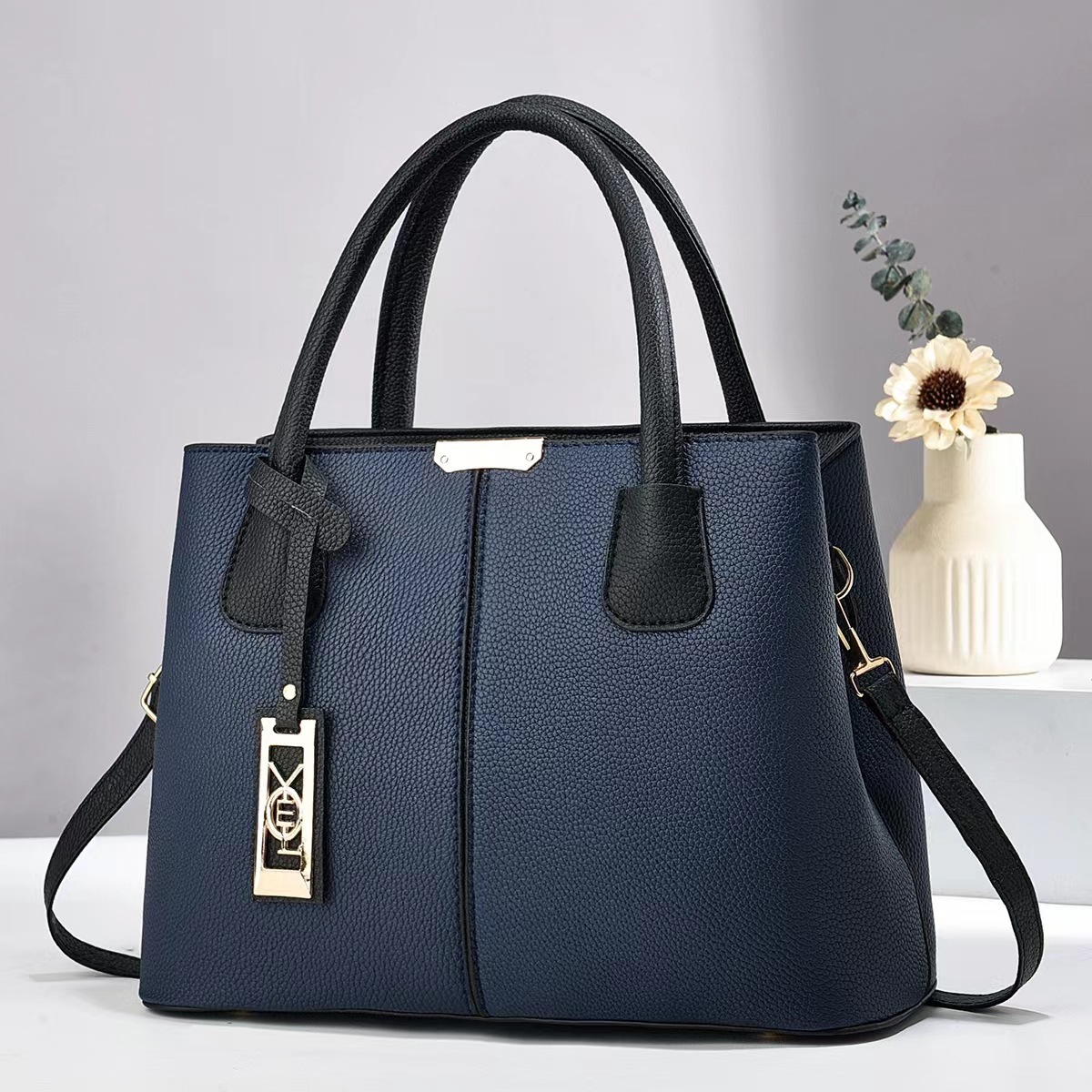
The Stable Stock Brown Cross Body Handbag is designed as a versatile, everyday accessory that blends classic aesthetics with modern functionality. It typically features:
– A medium-sized silhouette ideal for daily use.
– Brown leather or high-quality PU leather with consistent dyeing and finish.
– Adjustable crossbody strap for comfort and adaptability.
– Multiple compartments: main compartment, inner zip pocket, and a front slip pocket.
– Hardware in antique or polished finishes to complement the brown tones.
Market fit: This style appeals to a wide demographic — urban professionals, students, and travelers seeking a dependable, stylish crossbody bag. Its neutral brown hue ensures compatibility with many wardrobes and seasons, making it a steady seller for wholesalers and retailers, especially in markets that favor classic, durable accessories.
Materials and Construction Quality
Materials:
– Outer: Genuine full-grain or top-grain leather (for higher-end SKUs) or premium PU leather (for cost-effective SKUs).
– Lining: Polyester microfiber or cotton blend with anti-slip coating.
– Hardware: Zinc alloy or brass with plating (antiqued or polished).
– Strap: Reinforced leather or webbed cotton with leather trim and metal adjusters.
Construction:
PrinceBag Factory emphasizes consistent pattern cutting, edge painting, reinforced stitching at stress points, and precise hardware attachment. For stable stock production, the factory maintains jigs and templates to ensure each unit matches the approved sample. Reinforcements such as bartack stitching at strap junctions and folded-edge construction for the bag opening increase durability and present a premium feel.
Manufacturing Process and Capacity
PrinceBag Factory operates multi-stage production lines that include:
1. Material sourcing and inspection.
2. Pattern cutting (CNC or hand-cut for leather).
3. Skiving and edge preparation for leather components.
4. Stitching and assembly on production lines with dedicated skill teams.
5. Hardware installation and final detailing.
6. Quality control checks and packaging.
Stable stock implies that the factory keeps a ready inventory of typical brown crossbody handbags or components to shorten lead times for repeat orders. PrinceBag Factory’s production capacity for this SKU averages from several thousand to tens of thousands per month depending on the selected factory line and seasonal demand. For wholesale customers, the factory can support both steady replenishment orders and larger seasonal buys.
Quality Control and Compliance
Quality control is crucial for wholesale buyers. PrinceBag Factory adopts a multi-tiered QC approach:
– Incoming material inspection (IMQ): checks leather/PU traits, lining integrity, and hardware plating consistency.
– In-process inspections: check stitch count, seam alignment, strap attachments, and zippers at defined checkpoints.
– Final random inspection (AQL): applies AQL 2.5 or as negotiated for cosmetic defects and functional testing; uses sample pull rates based on order size.
– Functional tests: strap tensile tests, zipper endurance cycles, and colorfastness tests (especially for brown dye to prevent transfer).
Compliance: The factory can arrange tests for REACH, CPSIA, and other regional requirements upon request. For leather goods, documentation such as LWG membership data or formal declarations of origin can be provided for buyers needing traceability and sustainability verification.
Pricing Strategy and Wholesale Terms
PrinceBag Factory’s pricing considers material grade, hardware quality, customization, order quantity, and packaging requirements. Typical wholesale pricing tiers:
– Economy PU leather version: lower price bracket, aimed at high-volume discount markets.
– Mid-range PU or split leather: balanced cost-quality for mainstream retailers.
– Genuine leather version (top-grain): premium pricing for boutiques or brand-labeling.
Key wholesale terms:
– Minimum order quantity (MOQ) varies by SKU and customization — often between 200–1000 pieces for stock items, with lower MOQs available for stocked SKUs.
– Lead time for stocked Stable Stock units: 2–4 weeks. For new customized production: 6–10 weeks depending on complexity.
– Payment terms: 30% deposit and 70% balance before shipment or letter of credit for larger shipments. Net terms may be negotiated for established partners.
The following table summarizes comparative analysis across typical SKU configurations:
| SKU/Feature | Material | MOQ | Lead Time | Wholesale Price (Per Unit, USD) |
|---|---|---|---|---|
| Economy Brown Cross Body | Premium PU leather, polyester lining | 500 | 2–3 weeks (stock) | $6.50–$9.00 |
| Mid-Range Brown Cross Body | Split leather or PU leather upgraded | 300 | 3–5 weeks | $12.00–$17.00 |
| Top-Grain Brown Cross Body | Top-grain / full-grain leather, cotton lining | 200 | 5–8 weeks | $28.00–$45.00 |
| Customized Brand-Label Version | Leather or PU with custom hardware | 200–500 | 6–10 weeks | $30.00–$60.00+ |
| Eco-Friendly Version | Vegan leather, recycled lining | 300 | 6–8 weeks | $18.00–$30.00 |
Notes on the table: Prices are indicative and depend on specific customizations (logo embossing, extra pockets, special hardware). Shipping, duties, and taxes are not included.
Customization Options and Private Labeling
PrinceBag Factory offers a range of customization services that are essential for retailers who want to differentiate their product:
– Color customization: different shades of brown or complementary trims.
– Logo options: deboss, emboss, metal plaques, or heat transfers.
– Hardware customization: choice of metal finishes, engraved parts, or branded zippers.
– Packaging options: gift boxes, dust bags with brand printing, hang tags, and UPC labeling.
– Functional modifications: additional interior pockets, RFID lining, or removable straps.
Private labeling steps: Approve sample → confirm material swatches and hardware → sign production agreement with MOQ and lead times → deposit payment → pre-production sample approval → mass production → final inspection → shipment. For brands, requesting pre-shipment photos and a final sample helps avoid costly errors.
Sustainability and Responsible Sourcing
Sustainability matters increasingly to end customers. PrinceBag Factory can support several sustainability initiatives:
– Use of Water-Based Colorants: brown dyes using water-based processes reduce VOC emissions.
– Eco-materials: offering recycled polyester lining and non-PVC vegan leathers.
– Leather traceability: sourcing from tanneries with responsible hide sourcing practices.
– Waste reduction: pattern nesting optimization to reduce offcuts and implementing recycling programs for scraps.
– Packaging improvements: using recyclable boxes and minimizing single-use plastics.
Buyers focused on sustainability should request documentation (e.g., recycled content certificates, LWG reports, or third-party audits) before placing large orders.
Logistics, Shipping, and Inventory Management
For wholesale purchasers, logistics and inventory planning are as important as product quality:
– Incoterms: PrinceBag Factory typically operates on FOB terms, but CIF and DDP can be negotiated.
– Shipping options: sea freight for large volumes; air freight or express for urgent replenishment.
– Warehousing: the factory can hold stock for buyers under vendor-managed inventory (VMI) arrangements with periodic restock cycles.
– Distribution: consolidated shipments and pallet optimization reduce per-unit shipping cost.
– Customs and documentation: proforma invoices, packing lists, commercial invoices, and CE declarations where applicable.
Inventory recommendations:
– Maintain safety stock of 4–8 weeks for stable-selling SKUs.
– Use first-in-first-out (FIFO) for leather goods to manage color drift or finish variations.
– Coordinate seasonal campaigns 12–16 weeks ahead if ordering custom versions.
Risk Management and Quality Guarantees
Key risks: color variation in brown tones, hardware plating inconsistencies, strap failures, and delayed lead times. Mitigation strategies:
– Color Standardization: use Pantone references and approve physical color swatches.
– Pre-production samples: mandatory approvals for each new run or hardware change.
– Production monitoring: request check-in photos at key milestones or third-party QC audits.
– Warranty terms: negotiate defect rates and return policies; typical acceptance is AQL 2.5 for critical defects.
– Insurance: cargo insurance for international shipments to protect against loss and damage.
Market Positioning and Retail Strategies
Position the Stable Stock Brown Cross Body Handbag by segment:
– Value segment: emphasize affordability, durability, and neutral styling — ideal for mass-market retailers.
– Mid-market: highlight enhanced materials, improved hardware, and moderate branding.
– Premium segment: market as genuine top-grain leather with crafted finishing and premium packaging.
Retail strategies:
– Bundling: offer complementary items (scarves, small wallets) to increase average order value.
– Seasonal color updates: introduce accent trims or seasonal interior linings to refresh the SKU without redesigning the core model.
– Online optimization: high-quality product images, detailed size guides, and lifestyle photography to show scale and use.
– Pricing: maintain healthy margins by targeting keystone (100% markup) or competitive pricing depending on channel.
Case Study: Successful Rollout for Regional Boutique Chain
A regional boutique chain ordered 800 pieces of the mid-range top-grain version to launch a “seasonal essentials” collection. Key steps that led to success:
– Early sample approval: pre-production sample confirmed leather shade and hardware finish.
– Co-branded packaging: simple dust bag with boutique logo for perceived value.
– Staggered shipments: initial batch of 200 for pilot stores, remainder after positive sell-through.
– In-store promotions: paired with complementary apparel to showcase cross-merchandising.
Results: 75% sell-through in the first eight weeks, prompting an additional reorder and upgraded private label run for the next season.
How to Evaluate PrinceBag Factory as a Wholesale Partner
When considering PrinceBag Factory for the Stable Stock Brown Cross Body Handbag, evaluate on these criteria:
– Consistency: request references and order history for the same SKU across seasons.
– Transparency: clear lead times, material lists, and QC reports.
– Flexibility: ability to handle mix-and-match orders and adjustments to MOQ for stocked items.
– Communication: responsiveness and clarity in the pre-production phase.
– Certifications: compliance certificates for markets you serve.
Ask for:
– A Master Sample and Material Swatch Pack.
– A Bill of Materials (BOM) and construction drawing.
– A clear warranty and returns policy for wholesale buyers.
Final Recommendations for Wholesale Buyers
1. Start with a pilot order: test the market with a moderate quantity (200–500 units) before scaling.
2. Approve physical samples: do not rely solely on photos; color and feel matter for brown leather.
3. Lock in color standards: use exact swatches and hardware references to reduce returns.
4. Negotiate favorable payment terms as partnership grows: improved terms can aid cash flow.
5. Incorporate sustainability options if your customers demand it, and request certifications early.
6. Use staggered shipments for new launches to reduce inventory risk and capture real-time sell-through data.
The Stable Stock Brown Cross Body Handbag from PrinceBag Factory represents a reliable wholesale offering that balances timeless style with manufacturing consistency. For buyers, the keys to success are clear sample approval processes, understanding the tiered pricing structure, and coordinating logistics and inventory strategies. With the right due diligence and communication, retailers and brands can leverage this SKU for steady sales, attractive margins, and scalable reorders. If you are evaluating a new wholesale partnership or optimizing your accessory lineup, PrinceBag Factory’s stable-stock model for the brown crossbody handbag is a competitive option worthy of consideration.