


The Stable Stock Woven Leather Handbag by PrinceBag Factory is designed to combine artisanal craftsmanship with supply-chain reliability. For retailers, stylists, and consumers who demand premium materials and consistent availability, this handbag aims to deliver both tangible product quality and peace of mind in ordering and replenishment. This article provides a comprehensive professional overview: design and materials, manufacturing and quality-control processes, the concept and benefits of “stable stock,” a detailed performance analysis table, market positioning, maintenance guidance, sustainability considerations, and practical buying recommendations.
Product Overview: What Makes the Handbag Distinct
At first glance, the key differentiator is the woven leather aesthetic. Woven leather communicates a mix of luxury and artisanal detail: the pattern adds texture and visual depth while improving the bag’s flexibility. The Stable Stock Woven Leather Handbag focuses on a balanced silhouette—structured enough to hold shape yet soft at the edges thanks to the weaving technique. Typical features include top handles plus an adjustable crossbody strap, secure closure (zip or magnetic flap), interior organization pockets, and metal hardware finished to match the leather tone. What sets this model apart for commercial buyers is the “stable stock” promise: predictable lead times, consistent material specifications, and ongoing production lots that minimize SKU volatility.
Design and Materials
Material selection is essential to achieve both the look and longevity customers expect from woven leather. The Stable Stock model typically uses full-grain or top-grain cowhide for the outer panels, chosen for tensile strength and natural grain. The weaving method can be either hand-braided strips or precision-cut machine strips interlaced and reinforced at seams to prevent fraying. Interior linings are often cotton-twill or microfiber suede for durability and a premium touch. Hardware—zippers, clasps, D-rings, feet—are commonly brass or stainless steel with plated finishes (e.g., antique brass, matte gold, or gunmetal) that are tested for tarnish resistance. Stitching uses bonded nylon thread with reinforced bar-tacks at stress points.
– Leather type: full-grain/top-grain (for durability and patina)
– Weave technique: hand-finished or machine-precision interlace
– Lining: microfiber suede or cotton-twill for breathability and scratch resistance
– Hardware: plated brass/stainless steel, corrosion-resistant
Manufacturing Process and Quality Control
PrinceBag Factory’s approach (or that of any professional factory producing a stable-stock item) emphasizes repeatable processes and tightly managed tolerances:
– Material inspection: incoming hides are graded for blemishes, thickness, and color uniformity.
– Cutting and preparation: leather strips are precision-cut; edges may be burnished or sealed depending on the style.
– Weaving and assembly: skilled operators weave panels and stitch them into the bag body; lining and internal pockets are assembled in parallel to the outer shell.
– Hardware attachment: hardware is pre-tested for torque and plating adhesion; attachments are reinforced with washers and rivets where appropriate.
– Final inspection and testing: each piece undergoes visual inspection, pull tests on handles, zipper function checks, colorfastness testing, and a spot check for dimensional tolerance.
A stable-stock program further adds batch control: color lot codes, consistent component suppliers, and documented production runs so replacements match earlier shipments.
Stable Stock Strategy: Business Advantages
“Stable stock” means more than just having inventory on hand. For brands and retailers, it is a strategic approach with measurable advantages:
– Predictability: fixed lead times and production batches reduce stockouts and overstock risk.
– Cost control: repeatable production cycles and supplier relationships lower unit-cost variance.
– Product consistency: tonal and material consistency across batches preserves brand promise.
– Faster replenishment for proven SKUs: best-selling colors and configurations can be reordered with confidence.
For retailers, this translates into improved turnover and conversion; for consumers, it reduces the incidence of model or color discontinuation after a single season.
Performance and Durability Analysis
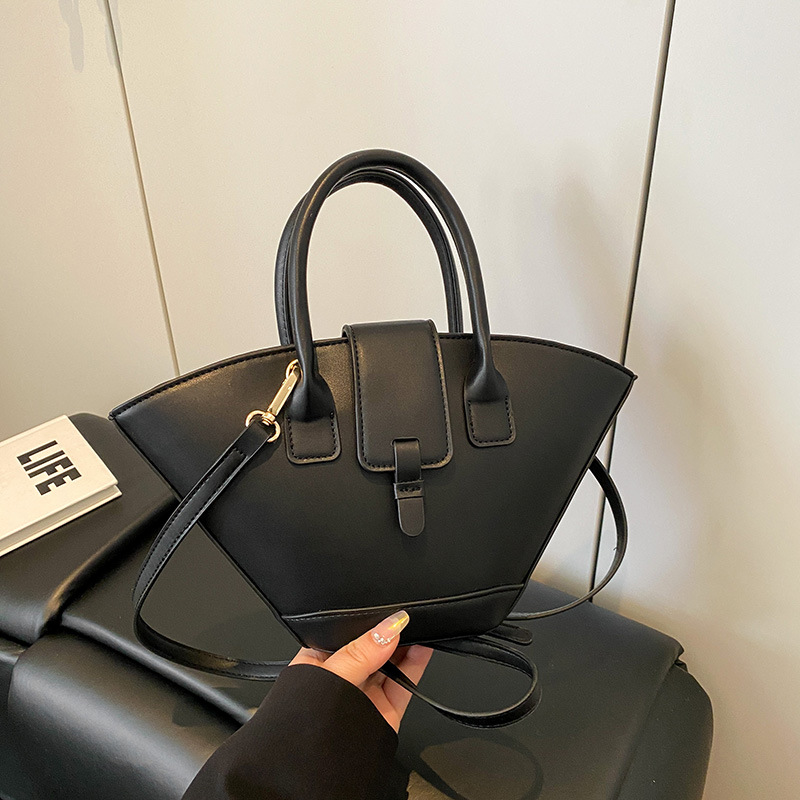
Below is an analysis table that evaluates the Stable Stock Woven Leather Handbag across key performance criteria. The table is designed to help product managers, buyers, and quality engineers compare expectations against typical test procedures and notes for interpretation.
| Feature | Metric / Criteria | Expected Performance | Test Method | Notes |
|---|---|---|---|---|
| Material Quality | Grain integrity; thickness (oz) | Full/top-grain, 1.0–1.2 mm typical | Visual grading; caliper measurement | Consistency across batches ensured by lot codes |
| Weave Integrity | Tensile on weave; edge retention | No slippage or fraying under 15 kg pull | Tension pull testing; abrasion cycles | Reinforced edges and sealed cut-ends improve longevity |
| Hardware Durability | Plating adhesion; clasp life cycles | Resistant to tarnish for 250–500 hours salt spray equivalent | Salt spray; repeated open/close cycles | Prefer stainless/brass core with quality plating |
| Functionality / Capacity | Volume, pocket usability, weight distribution | Holds daily essentials; even weight distribution | Load test with 2–5 kg typical items; ergonomic evaluation | Woven construction adds flexibility without collapsing |
| Colorfastness & Care | Color rub; UV fade resistance | Minimal transfer under normal use; moderate patina over time | Rub tests; accelerated light exposure | Recommend protective care and regular conditioning |
Market Positioning and Target Customers
The Stable Stock Woven Leather Handbag should be positioned in the accessible-luxury segment: premium materials and workmanship without couture pricing. Typical target customers include:
– Style-minded professionals aged 28–45 who want investment pieces that age well.
– Boutique and online retailers seeking dependable SKUs to anchor a seasonal assortment.
– Gift buyers who prioritize craftsmanship and predictable availability.
– Fashion-savvy shoppers who value texture and understated luxury rather than logo-driven statements.
Distribution channels that work well include specialty boutiques, lifestyle department stores, and curated e-commerce platforms. For maximum market appeal, offer core neutrals (black, tan, walnut) in steady stock, plus seasonal accent colors produced in limited runs.
Care Instructions and Warranty Considerations
Proper care extends the life and aesthetic of any woven leather handbag:
– Conditioning: apply a suitable leather conditioner every 3–6 months depending on climate and use to maintain suppleness.
– Cleaning: gently brush dust from weave crevices; use a damp cloth for light soiling; avoid soaking woven edges.
– Storage: store in a breathable dust bag, maintain shape with tissue or a bag shaper, and avoid stacking with other heavy items.
– Hardware: wipe metal parts with a dry cloth; if plated, avoid corrosive chemicals.
– Warranty & Service: stable-stock programs should pair with clear warranty terms (e.g., 12–24 months against manufacturing defects) and offer a repair pathway for handle replacements, relining, and hardware refurbishment.
Clear care instructions included with each purchase reduce returns and bolster perceived value.
Sustainability and Ethical Considerations
Modern buyers increasingly expect transparency. Key aspects to address:
– Leather sourcing: prioritize hides from regulated tanneries with traceability to minimize environmental and ethical concerns.
– Tannery certifications: seek vendors with environmental management standards (e.g., ISO 14001) and responsible tanning practices (reduced chromium use or proper effluent treatment).
– Labor practices: stable stock programs should maintain documented labor standards across production sites and encourage third-party audits.
– Waste reduction: optimized cutting layouts and recycling initiatives for leather offcuts reduce waste and cost.
Being proactive about sustainability—clear labelling, documented supplier practices, and recyclable packaging—helps position the product favorably in competitive retail environments.
Competitive Landscape and Differentiators
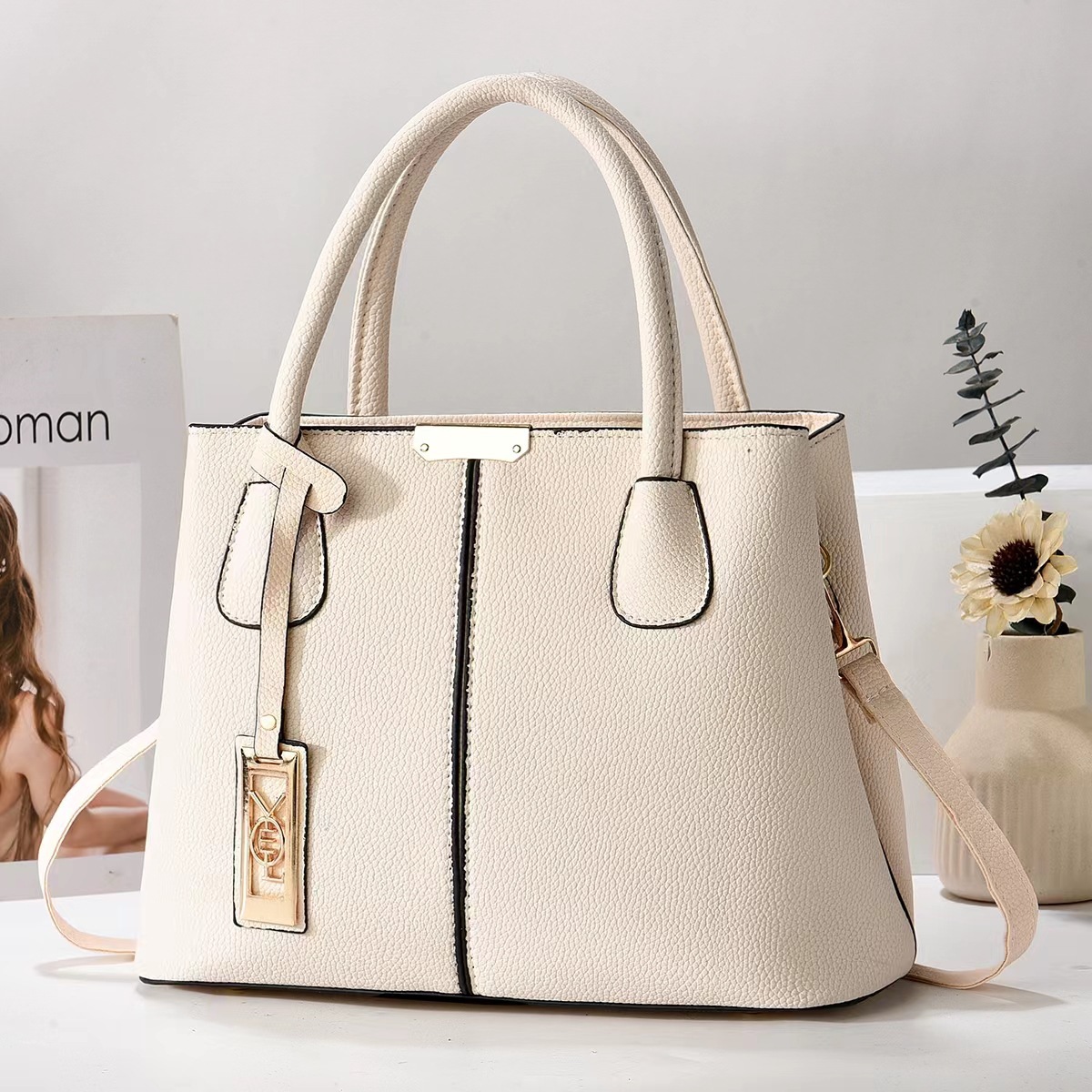
In a crowded market of woven leather goods, the Stable Stock Woven Leather Handbag should emphasize these differentiators:
– Supply reliability: guaranteed replenishment cycles reduce retailer risk.
– Consistency in finish: strict lot control limits color and texture variation.
– Structured yet flexible design: the weave offers a balance of formality and casual wearability.
– Repairability: offering repair services or replacement hardware extends product life and brand loyalty.
Competitors may match one or two of these strengths, but combining craft quality with supply-chain predictability is a compelling proposition for wholesale partners and end consumers.
Buying Guide and Recommendations for Retailers
For retail buyers evaluating this stable-stock model, consider the following checklist:
– Confirm color lot controls and request a certificate of conformity for first orders.
– Negotiate reorder lead times and minimum order quantities that align with turnover forecasts.
– Request sample testing for weave tensile strength and hardware durability before committing to a production run.
– Plan assortments: maintain 60–70% inventory in core neutrals and allocate 30–40% to seasonal or promotional colors.
– Offer extended-care packages or repairs as an upsell and customer retention strategy.
For direct consumers, evaluate the weave tightness, handle attachment quality, and whether the bag’s internal layout meets daily needs. If a warranty and repair service are provided, that is a strong sign of manufacturer confidence.
The Stable Stock Woven Leather Handbag by PrinceBag Factory aims to bridge the gap between desirable artisan aesthetics and commercial reliability. For retailers, the stable-stock model reduces risk and simplifies assortment planning. For end-users, woven leather offers a tactile, evolving beauty that rewards proper care. When produced under controlled manufacturing standards, with attention to materials, hardware, and consistent lot management, this handbag can become a dependable, high-margin SKU or a durable personal investment piece. Buyers should prioritize clear supply agreements, testing data, and post-sale service options to fully realize the advantages of a stable-stock woven leather offering.