


PrinceBag OEM Handbag Factory has positioned itself at the intersection of craftsmanship, innovation, and environmental stewardship. In an industry historically dependent on resource-intensive processes and complex supply chains, PrinceBag’s approach to sustainable handbag manufacturing provides a pragmatic model for how OEM factories can reduce environmental impact while preserving product quality, meeting market demands, and ensuring economic viability. This article examines PrinceBag’s holistic sustainability strategy, from raw material sourcing and design for longevity to energy and water management on the factory floor, worker welfare, and circularity initiatives. We analyze measurable outcomes and present an actionable roadmap that other manufacturers and brand partners can adapt.
Sustainability Vision and Strategic Framework
PrinceBag’s sustainability strategy is built on four pillars: Materials & Supply Chain, Manufacturing Operations, Product Design & Circularity, and Social Responsibility. Rather than treating sustainability as an add-on, the factory embeds it into core decision-making—procurement, production planning, quality control, and R&D. The leadership has adopted a continuous improvement mindset, setting mid- and long-term targets for carbon reduction, water intensity, and waste diversion, while aligning with international frameworks such as the UN Sustainable Development Goals (SDGs) and the Fashion Industry Charter for Climate Action.
Key elements of the strategic framework:
– Baseline assessment: comprehensive audits of energy use, water consumption, waste streams, and emissions.
– Prioritized interventions: low-hanging fruit (LED lighting, machine optimization), mid-term projects (renewables, water recycling), and transformational initiatives (material substitutions, circular product programs).
– Metrics and transparency: public sustainability reports or client-facing dashboards that track KPIs, enabling OEM customers to report environmental performance of co-manufactured products.
– Collaboration: supplier engagement programs and partnerships with material innovators, NGOs, and certification bodies.
Materials: Sourcing, Substitution, and Traceability
Material selection drives a significant portion of a handbag’s environmental footprint. PrinceBag emphasizes a tiered material strategy:
– Preferred materials: certified leather (e.g., Responsible Leather, LWG-rated), recycled polyester, GRS (Global Recycled Standard) certified fabrics, and bio-based alternatives where performance and availability match requirements.
– Material efficiency: pattern optimization to reduce cut waste, offcut reuse programs, and standardized component sizing to maximize yield.
– Traceability systems: digital material passports and batch-level documentation enable verification of claims, reduce greenwashing risk, and assist brands in meeting regulatory requirements.
PrinceBag invests in material testing to balance sustainability claims with performance attributes such as durability, colorfastness, and wear resistance. For example, while recycled PET reduces reliance on virgin polyester, the factory evaluates lifecycle trade-offs, dyeing energy, and microplastic shedding. The factory also runs pilot programs with innovative materials—e.g., mushroom-based leathers, grape-leather blends, and recycled ocean plastics—assessing scalability, cost, and consumer acceptance.
Design for Sustainability and Durability
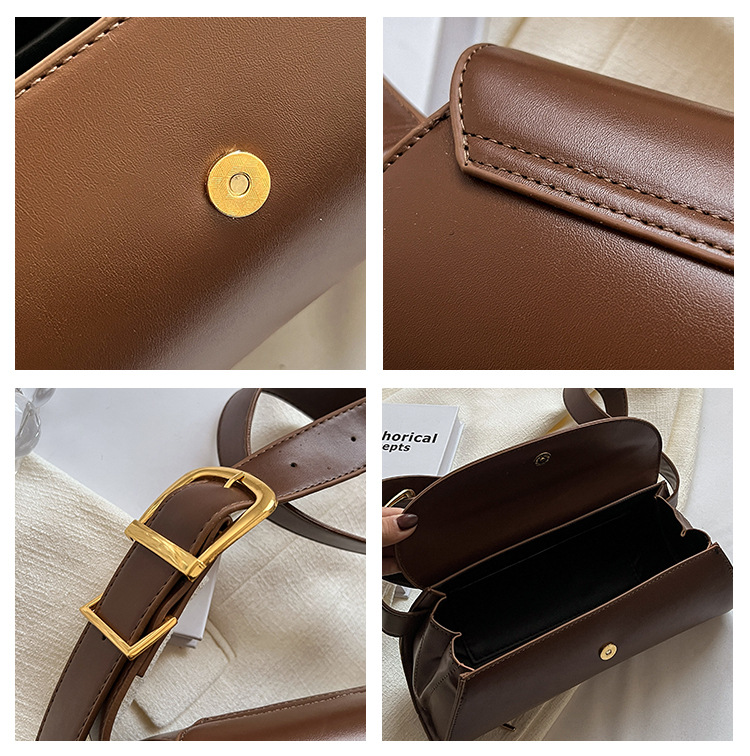
Design is a primary lever for extending the useful life of a handbag and reducing its cradle-to-grave footprint. PrinceBag collaborates with brand clients to apply design principles that enhance repairability, modularity, and timeless aesthetics.
Key design practices:
– Modular components: removable straps, replaceable linings, and standardized hardware that facilitate repairs or part replacement.
– Repair-friendly construction: simplifying seams and assembly points that commonly fail, using reinforced stress points, and providing clear repair guides.
– Classic design language: advising on styles less susceptible to fast-fashion obsolescence, increasing the likelihood of long-term use.
– Multifunctionality: creating convertible bags (e.g., tote-to-shoulder) that reduce the need for multiple items.
PrinceBag also provides a “design for circularity” checklist for clients to consider material recyclability, mono-material construction for easier recycling, and label placement that includes material composition and care instructions to support longevity.
Energy Management and Decarbonization
Manufacturing energy use is a major source of emissions. PrinceBag adopts a phased decarbonization strategy combining energy efficiency measures and renewables.
Energy efficiency initiatives:
– Equipment upgrades: replacing inefficient cutting machines and sewing equipment with energy-efficient models and implementing variable frequency drives (VFDs) where applicable.
– Process optimization: reducing idle times, batching similar tasks to minimize machine changeover, and implementing energy management systems (EMS) to monitor consumption in real time.
– Building upgrades: LED lighting, improved insulation, and daylight optimization.
Renewables and low-carbon energy:
– On-site solar PV: rooftop installations for daytime consumption and, where feasible, battery storage for peak shaving.
– Green power procurement: power purchase agreements (PPAs) or utility-sourced renewable energy certificates (RECs) when on-site generation is constrained.
– Electrification: transitioning from fossil-fuel-fired boilers to electric heat pumps where appropriate and feasible.
PrinceBag measures progress in carbon intensity per finished product and works toward supplier emissions reduction across scope 3 categories, recognizing that a significant proportion of a handbag’s lifecycle emissions originate upstream.
Water Stewardship and Chemical Management
Water-intensive processes in leather tanning, dyeing, and certain finishes pose environmental and regulatory risks. PrinceBag implements integrated water stewardship to reduce consumption and ensure discharge quality.
Water-saving measures:
– Closed-loop rinsing and finishing systems to reuse process water.
– Low-liquor dyeing technologies that reduce water-to-fiber ratios.
– Rainwater harvesting for non-critical processes and landscaping.
– High-efficiency fixtures in employee facilities and water use awareness campaigns.
Chemical management:
– Restricted Substances List (RSL): PrinceBag maintains a robust RSL in line with ZDHC (Zero Discharge of Hazardous Chemicals) and ensures suppliers adhere to it.
– Pre-treatment and wastewater treatment: on-site treatment plants with monitoring for COD, BOD, heavy metals, and tanning residues where applicable.
– Safer chemistry: transitioning to water-based adhesives and coatings and certified dyes with lower environmental toxicity.
These measures not only limit environmental impacts but also reduce regulatory compliance risk and potential reputational issues for brand partners.
Waste Reduction and Circular Systems
Achieving near-zero waste requires systematic interventions across the product lifecycle.
Manufacturing waste strategies:
– Pattern nesting optimization: digital pattern layout to reduce offcuts and improve material yield.
– Offcut valorization: mechanical recycling of textile offcuts into padding or secondary products, and partnerships with recyclers for difficult-to-reuse materials.
– Scrap management: segregated waste streams for leather, fabric, metal, plastics, and hazardous waste to enable higher recovery rates.
Post-consumer circularity:
– Repair and refurbishment services: PrinceBag partners with brands to offer repair programs or certified refurbishment for returned or damaged products.
– Take-back programs: piloting limited take-back schemes to reclaim end-of-life bags for recycling or remanufacturing.
– Design for recyclability: promoting mono-material assembly or clear material labeling to ease sorting and recycling.
Through these initiatives, the factory aims to reduce landfill diversion rates and contribute to a circular economy for fashion accessories.
Labor Practices, Health & Safety, and Community Impact
True sustainability integrates social sustainability—decent work, safe conditions, and positive community relations.
Worker welfare programs:
– Fair wages and transparent compensation systems aligned with local living wage benchmarks where practicable.
– Health and safety: regular risk assessments, personal protective equipment (PPE), ergonomic workstations, and training.
– Skill development: apprenticeship programs and continuous training on both technical skills and sustainability practices, enhancing worker retention and product quality.
– Worker voice: mechanisms such as anonymous grievance channels and worker committees to improve workplace dialogue.
Community engagement:
– Local sourcing and supplier development to support economic resilience.
– Educational partnerships and local environmental initiatives that strengthen community ties.
PrinceBag recognizes that social sustainability is central to brand risk management and long-term operational stability.
Quality Assurance and Longevity Metrics
Sustainability and quality are interdependent—durable products reduce replacement cycles and resource consumption. PrinceBag reinforces quality assurance through rigorous testing and post-production monitoring.
Quality systems:
– In-line inspection points with standardized quality criteria, reducing rework and waste.
– Accelerated wear testing to validate design durability claims (zippers, straps, stitching).
– Batch tracking: digital traceability that links material batches to finished goods and test results.
PrinceBag works with brand clients to define product longevity KPIs—such as expected service life, repair rates, and customer satisfaction metrics—and uses these to benchmark improvements from sustainable design and manufacturing changes.
Certifications, Standards, and Reporting
Third-party validation is critical to substantiating sustainability claims. PrinceBag pursues relevant certifications and labels to verify progress:
Common certifications and standards:
– Leather Working Group (LWG) for responsible leather processing.
– Global Recycled Standard (GRS) and Recycled Claim Standard (RCS) for recycled content.
– ISO 14001 (Environmental Management) and ISO 50001 (Energy Management).
– OHSAS/ISO 45001 for occupational health and safety.
– ZDHC membership and RSL compliance for chemical management.
Reporting:
– Annual or biannual sustainability reports highlight KPIs and roadmaps, and data is structured to enable brand clients to integrate factory performance into their own sustainability disclosures (e.g., CDP, GRI).
Financial and Operational Impacts: Balancing Cost and Sustainability
Sustainable manufacturing presents initial capital expenditures but yields long-term operational savings and risk mitigation. PrinceBag evaluates sustainability investments through a blended lens of return on investment (ROI), total cost of ownership (TCO), and strategic value.
Cost considerations:
– Upfront CAPEX: energy-efficient machinery, solar PV, wastewater treatment upgrades.
– Operational savings: lower utility bills, reduced waste disposal costs, and minimized rework rates due to improved quality.
– Market access and pricing: enabling clients to meet retailer or consumer sustainability demands, potentially commanding price premiums or maintaining market share.
– Risk reduction: avoiding regulatory fines, supply chain disruptions, and reputational losses.
Financial models typically show payback periods ranging from 2–7 years for many energy and water efficiency projects. PrinceBag leverages vendor financing, client co-investments, and grants to accelerate implementation.
Analysis Table: Comparative Metrics and Estimated Impacts
Below is an illustrative analysis table comparing baseline manufacturing (industry average), PrinceBag’s implemented sustainable measures, and projected improvements. Values are representative estimates for an OEM handbag line and should be validated with factory-specific data for precise planning.
| Metric | Industry Baseline (avg) | PrinceBag Current (post-intervention estimate) | Projected Target (3–5 years) |
|---|---|---|---|
| Energy use per finished bag (kWh) | 12.0 | 8.5 | 6.0 |
| CO2e per bag (kg) | 18.0 | 12.0 | 8.0 |
| Water use per bag (liters) | 95 | 55 | 30 |
| Waste to landfill (%) | 35% | 12% | <5% |
| Recycled content in materials (%) | 8% | 28% | 50% |
| Average lead time (days) | 45 | 40 | 35 |
| Defect / rework rate (%) | 6% | 2.5% | 1% |
| Operating cost per bag (USD) | 24.0 | 25.5 | 24.0 |
| Payback period for CAPEX projects (years) | n/a | 3.5 (avg) | 2.5 (with scaling) |
Notes:
– Energy and water figures are illustrative and will vary by product complexity and process mix. PrinceBag’s current numbers reflect a combination of efficiency measures and partial renewables integration.
– Operating cost per bag may initially increase due to higher material costs (e.g., certified leather, recycled fabrics) but is offset by efficiency gains and lower rework; long-term costs may align with or be lower than baseline.
– Waste diversion improvements derive from offcut reuse, recycling partnerships, and process changes.
– Targets assume continued investment and scaling; collaboration with brand partners often accelerates progress.
Innovation Pipeline and R&D
PrinceBag maintains an active R&D pipeline to evaluate emerging materials, production technologies, and circular business models.
Key R&D focus areas:
– Material innovation: scaling alternative leathers and low-impact coatings with rigorous lifecycle assessments (LCAs).
– Digitalization: adopting Industry 4.0 tools—IoT sensors, digital twins, and production analytics—to optimize throughput and reduce downtime.
– Additive manufacturing: experimenting with 3D printing for prototyping and niche hardware parts to reduce inventory and waste.
– End-of-life technologies: testing chemical recycling processes for mixed-material handbags and collaborating with recyclers to close material loops.
By piloting these innovations with select brand partners, PrinceBag reduces innovation risk and builds reproducible processes for broader deployment.
Challenges and Mitigation Strategies
Transitioning to sustainable manufacturing is not without obstacles. PrinceBag addresses several common challenges:
1. Material cost premium:
– Mitigation: strategic sourcing, long-term supplier contracts, pooled procurement with other clients, and incremental substitution roadmap to spread cost impacts.
2. Supply chain traceability:
– Mitigation: phasing in traceability systems, supplier audits, and technology solutions like blockchain for authentication and transparency.
3. Technical limitations of new materials:
– Mitigation: rigorous testing protocols, co-development with material suppliers, and contingency plans to ensure performance benchmarks.
4. Capital constraints for upgrades:
– Mitigation: accessing sustainability-linked loans, engaging clients in co-investment strategies, and leveraging government incentives.
5. Cultural and skill gaps:
– Mitigation: comprehensive training programs, change management, and building local expertise through apprenticeships.
PrinceBag emphasizes realistic pacing, pilot projects, and transparent communication with brand clients to ensure feasibility and shared expectations.
Collaboration Models with Brand Clients
PrinceBag designs collaboration models that align incentives and share costs and benefits:
– Tiered product offerings: standard, eco-premium, and circular lines to cater to diverse market segments.
– Cost-sharing: joint investments in on-site sustainability infrastructure or material R&D in exchange for guaranteed orders or volume commitments.
– Co-branding opportunities: enabling brands to highlight manufacturing sustainability with verified data and jointly developed storytelling.
– Service provision: offering extended services such as repair, refurbishment, and take-back logistics as a white-label or co-managed service.
These models increase predictability for PrinceBag and provide brands with verifiable sustainability outcomes.
KPIs and Continuous Improvement Mechanisms
To drive accountability, PrinceBag tracks a set of core KPIs:
– Environmental KPIs: energy intensity (kWh/bag), water intensity (L/bag), CO2e/bag, waste diversion rate, recycled content percentage.
– Social KPIs: employee retention, training hours per worker, safety incident frequency, living wage coverage.
– Operational KPIs: defect rate, throughput, lead time, on-time delivery rate.
– Circularity KPIs: percentage of products designed for repair, take-back rate, proportion of materials recycled post-consumer.
Continuous improvement is enabled by monthly data reviews, cross-functional sustainability steering committees, and a suggestion system that rewards employee-driven efficiency ideas.
Recommendations for Brands Partnering with PrinceBag
Brands seeking to maximize sustainability gains from an OEM relationship should consider the following:
– Early integration: involve PrinceBag in early-stage product development to optimize materials and construction for sustainability.
– Long-term procurement agreements: provide volume certainty that enables PrinceBag to invest in infrastructure and materials sourcing.
– Shared KPIs: co-develop KPIs tied to environmental and social targets and align incentives under sustainable procurement policies.
– Transparency requirements: request material declarations, production data, and third-party certifications to substantiate claims.
– Customer-facing programs: collaborate on repairs, warranties, and take-back initiatives to extend product lifespans and build consumer trust.
This collaborative stance transforms the OEM relationship into a strategic partnership for sustainability.
Scaling Impact and the Road Ahead
PrinceBag OEM Handbag Factory’s approach demonstrates that sustainability in handbag manufacturing is both practical and scalable when embedded across materials, design, operations, and social practices. The factory’s combination of efficiency measures, material innovation, and circular strategies yields measurable environmental benefits while maintaining product quality and economic feasibility. Critical success factors include robust traceability, meaningful collaboration with brand partners, investment in worker training, and transparent KPI reporting.
Looking forward, the next phase for PrinceBag involves accelerating circular programs, increasing recycled and bio-based material use, and deepening digitalization for traceability and process optimization. By sharing best practices and offering flexible collaboration models, PrinceBag can help brands meet rising regulatory standards and consumer expectations—while contributing to a more sustainable fashion ecosystem.
Sustainability is not a single project but a continuous transformation. For OEM factories like PrinceBag, success depends on iterative improvements, partnerships that balance costs and value, and an unwavering commitment to design and produce handbags that are beautiful, durable, and kinder to the planet.