


Wholesale crossbody bags remain one of the fastest-moving accessory categories for retailers, boutiques, and online sellers. The crossbody form factor—hands-free convenience, varied styles, and wide demographic appeal—makes it an especially lucrative SKU for businesses seeking reliable margin and turn. PrinceBag Factory Direct Sales positions itself as a factory-direct supplier focused on competitive pricing, consistent quality, and custom production capabilities. This article examines how to evaluate, source, and sell crossbody bags from PrinceBag, with practical analysis, a comparative table, quality-control checklists, logistics notes, and go-to-market strategies for different buyer types.
Understanding the Product: What Makes a Strong Crossbody Bag Offering?
Core attributes buyers look for
Successful crossbody bags combine form and function. Key attributes include:
– Durable materials (full-grain or top-grain leather, vegan leather, nylon, canvas)
– Thoughtful hardware (zippers, adjustable straps, clasps, D-rings)
– Practical internal organization (zipped pockets, slip pockets, card slots)
– Wearability (strap length, bag weight, ergonomic design)
– Aesthetic versatility (colors, textures, minimalist to statement styles)
Market segmentation by use and demographic
– Urban commuters: prioritize durability, security, and neutral colors.
– Travel and lifestyle buyers: lightweight construction, secure pockets, RFID protection.
– Fashion-forward consumers: trend colors, mixed materials, statement hardware.
– Value-focused retailers: prioritize cost-efficiency, consistent MOQ, and repeatable quality.
PrinceBag Factory Direct Sales: Value Proposition and Capabilities
Factory-direct advantages
Buying direct from PrinceBag can yield:
– Lower unit costs by eliminating middleman markups
– Greater control over specification and design changes
– Access to private label and OEM production lines
– Faster iteration for seasonal collections when MOQ is reasonable
Customization and private-label services
PrinceBag offers tiered customization:
– Basic: color options, logo stamping, strap adjustments
– Intermediate: custom pockets, lining, and hardware finishes
– Full OEM: new tooling for unique shapes, exclusive materials, branded packaging
Customization timelines and minimum order quantities (MOQs) vary by complexity; basic options may start at several hundred units while full OEM could require thousands.
Quality Control: Ensuring Factory Standards Match Your Brand
Pre-production steps
– Approve detailed tech packs with dimensions, tolerances, material swatches, and hardware codes.
– Request pre-production samples (PS) and pre-production approval (PPA) before mass run.
– Verify supplier certifications (ISO, environmental, leather/tanning standards if applicable).
In-line and final inspections
– Conduct in-line inspections for stitching, seam allowance, adhesive application, and hardware fit.
– Final random inspection (AQL-based) for cosmetic defects, zipper function, and strap integrity.
– Consider third-party inspection services for large orders or first-time partnerships.
Pricing, MOQ, and Lead Times: What to Expect
Price drivers
Factors that influence unit cost:
– Material type and grade (real leather > PU leather > canvas)
– Hardware quality and plating
– Labor intensity (embellishments, quilting, embroidery)
– Order quantity (higher volumes reduce per-unit tool and setup costs)
– Branding and packaging options
Typical lead times
– Standard stock orders: 2–6 weeks (depending on current factory load)
– Customized orders: 6–16 weeks (design, tooling, sample approvals included)
– Rush options: available at premium but require negotiation and capacity confirmation
Logistics and Shipping Considerations
Freight options and cost calculation
– Small orders: air freight to save time; higher per-unit cost.
– Larger orders: sea freight is more economical; consider inland transportation and port duties.
– Consolidation: consolidate multiple SKUs to optimize container utilization.
Incoterms and documentation
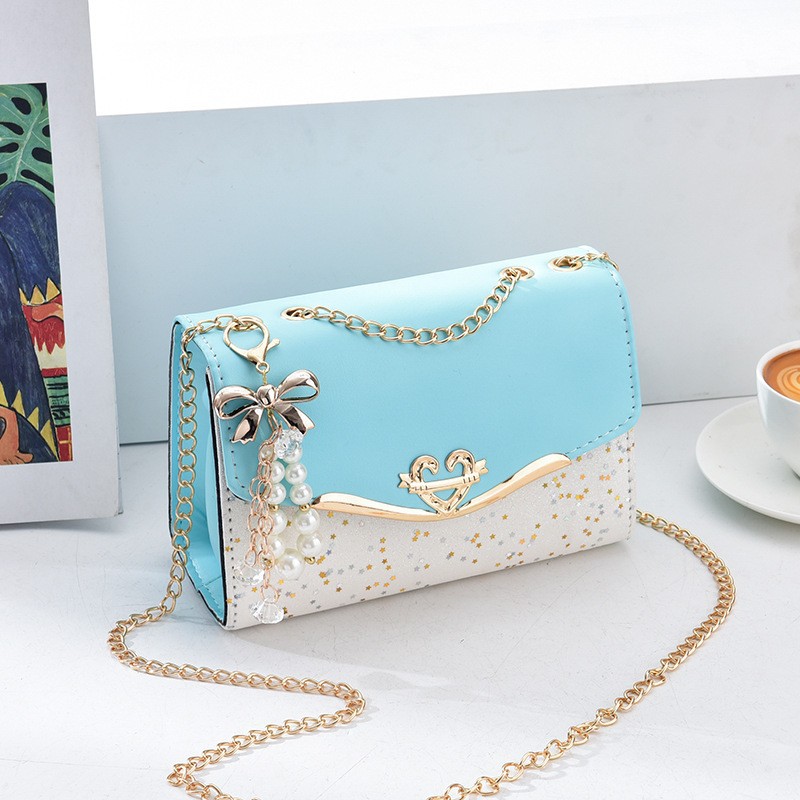
– Clarify Incoterms (FOB, EXW, CIF, DDP) to define responsibility for freight, customs, and insurance.
– Ensure commercial invoices, packing lists, and certificates of origin are accurate to avoid customs delays.
Marketing and Sales Strategies for Wholesale Crossbody Bags
Positioning and product assortment
– Offer a balanced assortment: 2–3 core neutral styles for steady sales plus 1–2 seasonal or trend-driven pieces.
– Price-tier the assortment: entry-level, mid-tier, and premium options to capture broader margins and buyer profiles.
Channels and promotional tactics
– E-commerce: high-quality imagery, detailed dimensions, lifestyle shots, and video demos increase conversion.
– B2B catalogs & line sheets: clear specs, wholesale pricing tiers, and minimums for bulk buyers.
– Trade shows & showrooming: physical presence at trade shows builds relationships with boutique buyers.
– Social proof: influencer partnerships and customer reviews for crossbody bag use-cases (travel, everyday, evening).
Risk Management and Sustainability
Mitigating supplier risk
– Diversify SKUs across several factories within the same supplier network or maintain secondary suppliers.
– Stagger orders to avoid dependence on a single production run.
Sustainability considerations
– Consider eco-leather or recycled materials to appeal to environmentally conscious consumers.
– Ask PrinceBag for low-VOC adhesives, responsible sourcing documentation, and waste reduction practices if sustainability is part of your brand promise.
Case Study: A Successful Private-Label Launch via PrinceBag
A mid-sized online retailer wanted a private-label crossbody for urban commuters. Key steps:
1. Design brief and tech pack submitted to PrinceBag.
2. Two rounds of prototypes to refine strap ergonomics and zipper orientation.
3. A batch of 1,500 units produced with medium-grade vegetable-tanned leather and matte hardware.
4. Pre-shipment AQL inspection passed; goods shipped with FOB terms.
5. Marketing: product launch featured targeted PPC and Instagram micro-influencers.
Result: sell-through of initial batch in 10 weeks with reorder for 3,000 units focused on two top-performing colorways.
Practical Checklist for Buyers Working with PrinceBag Factory Direct Sales
– Define your target market and price point.
– Create or request detailed tech packs and material swatches.
– Confirm MOQ, lead times, and Incoterms in writing.
– Request pre-production samples and maintain a documented approval trail.
– Schedule quality inspections (in-line and final).
– Plan logistics and consider freight consolidation.
– Prepare marketing assets and a launch timetable aligned with expected delivery.
Comparative Analysis Table: Crossbody Bag Options from PrinceBag
| Model | Material | MOQ | Price Range (USD) | Best Use / Market |
|---|---|---|---|---|
| Urban Classic Mini | PU leather (vegan) | 300 | $8.50 – $12.00 | Entry-level fashion boutiques, online fast fashion |
| Commuter Sling | Ballistic nylon + water-resistant coating | 500 | $12.00 – $18.00 | Daily commuters, travel retail |
| Everyday Leather | Top-grain leather | 200 | $28.00 – $45.00 | Premium boutiques, gift shops |
| Weekend Canvas | Heavy canvas with leather trim | 400 | $10.00 – $16.00 | Outdoor stores, lifestyle brands |
| Tech Organizer Crossbody | Ripstop nylon with padded interior | 350 | $15.00 – $22.00 | Gadget-friendly buyers, urban professionals |
Negotiation Tips When Dealing with PrinceBag
Leverage volumes and repeat business
– Negotiate better per-unit pricing based on multi-SKU commitments or staggered reorders.
– Ask for tiered pricing that improves at higher volume thresholds.
Request value-adds
– Ask for free or discounted samples when committing to a production order.
– Negotiate on packaging, hang tags, or minor hardware upgrades at scale.
Common Pitfalls and How to Avoid Them
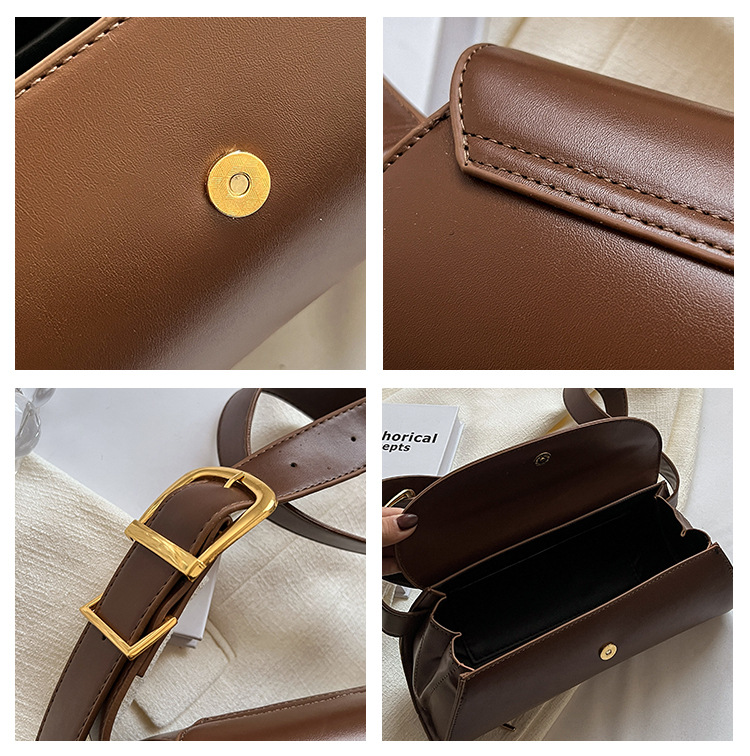
– Incomplete tech packs: lead to costly revisions. Use standardized templates.
– Ignoring pre-shipment inspections: increases defect risk. Budget for third-party QC.
– Underestimating lead time: build buffer periods into product launches.
– Poor packaging specs: can result in transit damage. Test-pack your most fragile SKU.
How to Scale: From First Order to Ongoing Relationship
– Start with a pilot order that balances size and risk—enough units to test the market without overcommitting.
– Use initial sales data to refine assortments (colorways, materials).
– Build a reorder cadence tied to lead times and seasonality.
– Consider exclusive styles or limited runs to differentiate your brand without high tooling costs.
Final Recommendations
When considering Wholesale crossbody bag bags PrinceBag Factory Direct Sales, approach the partnership like any other strategic supplier relationship:
– Clarify expectations early and document everything.
– Treat samples and inspections as mandatory costs of doing business.
– Use data from your first orders to tune future assortments and negotiate better terms.
– Keep sustainability and risk mitigation on the agenda as your volumes grow.
A factory-direct partner like PrinceBag can provide attractive margins and fast iteration for brands that invest in precise specifications, quality control, and disciplined inventory planning. By combining clear product positioning with rigorous pre-production practices, buyers can exploit the strengths of factory direct sales to build a profitable and scalable crossbody bag lineup.