


PrinceBag has rapidly gained recognition in the leather accessories market by offering competitively priced sling leather handbags without sacrificing quality, design, or service. In an industry where branding, materials, and manufacturing processes can greatly inflate retail prices, PrinceBag’s approach blends smart sourcing, vertical integration, and customer-focused customization to deliver value. This article analyzes PrinceBag’s strengths, operational model, and market positioning, and provides practical guidance for retailers, distributors, and private-label clients considering a partnership.
Market Context: Why Price and Quality Must Coexist
The global handbag market is highly segmented—luxury brands command premium prices through design pedigree and marketing, while fast-fashion suppliers compete on volume and speed. For many retailers and private-label brands, the sweet spot is a product that combines attractive pricing with perceived durability and style. Sling leather handbags, in particular, need to balance compact design, functional hardware, and leather quality. PrinceBag targets this sweet spot, offering products that appeal to cost-conscious buyers who still demand genuine leather aesthetics and reliable construction.
Supply Chain and Sourcing Strategy
PrinceBag reduces costs through strategic leather sourcing and strong supplier relationships. Rather than relying on top-tier, high-margin tanneries exclusively, the company sources a mix of full-grain, top-grain, and high-quality corrected-grain leathers depending on product lines. This flexibility enables PrinceBag to create multiple price tiers—premium leather for higher-end sling models and optimized corrected leather blends for budget-conscious lines. Additionally, the company often negotiates long-term contracts and bulk purchase discounts, passing savings to clients.
Manufacturing Efficiency and Quality Control
One of PrinceBag’s core advantages lies in its manufacturing process. By maintaining partial vertical integration—controlling pattern making, cutting, and key assembly operations—the supplier minimizes outsourcing costs and improves quality control. PrinceBag implements multi-stage inspection protocols: incoming leather checks, in-process seam and hardware audits, and final product testing. These steps reduce defect rates and returns, ensuring consistent product quality at competitive price points.
Design and Customization Capabilities
Beyond off-the-shelf models, PrinceBag offers private-label customization that is attractive to smaller brands and large retailers alike. Customization options include leather selection, color matching (pantone or dye lab matching), hardware finishes (antique brass, brushed nickel, polished gold), logo placement, lining choices, and packaging. Minimum order quantities (MOQs) are set to be accessible to a broad client base, and PrinceBag often supports staggered production runs to help clients manage inventory and cash flow.
Sustainability and Compliance
Sustainability is increasingly important for modern consumers. PrinceBag’s sustainability initiatives include sourcing from tanneries that comply with local environmental regulations, offering vegetable-tanned and chrome-free options, and using recycled materials for packaging. The company also maintains certifications where applicable and is willing to support audits requested by large retail partners to demonstrate compliance with labor and environmental standards.
Logistics, Lead Time, and After-Sales
Competitive pricing is only meaningful if logistics and delivery meet market expectations. PrinceBag balances production efficiency with realistic lead times—standard lead time for regular sling handbag lines is typically 30–60 days depending on customization and order volume. The company collaborates with freight forwarders to offer FOB, EXW, and CIF terms, and supports drop-shipping arrangements for e-commerce partners. After-sales support includes warranty handling procedures and repair services on eligible products, enhancing brand trust for private-label clients.
Pricing Strategy and Value Proposition
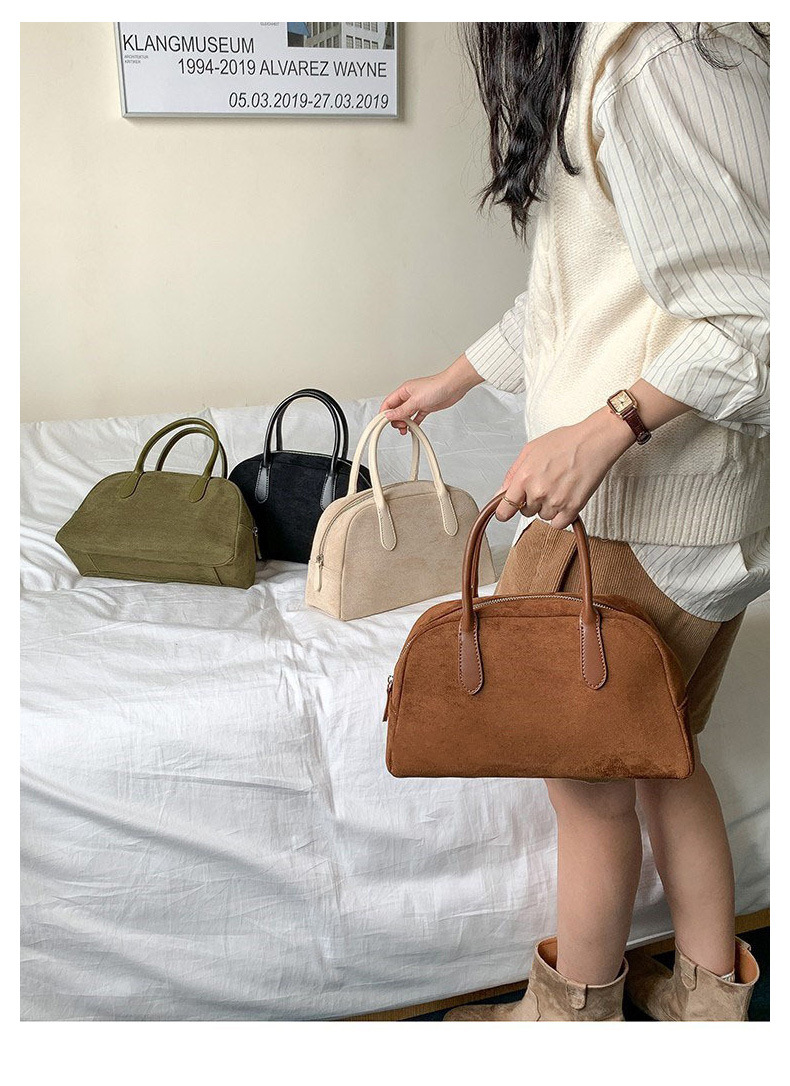
PrinceBag’s pricing strategy emphasizes transparency and tiered offerings. By cataloging product lines into entry, mid, and premium tiers, the supplier helps clients match inventory to market segments. Entry-level sling leather handbags feature accessible materials and streamlined designs, while mid-tier and premium models upgrade hardware, leather grade, and interior layouts. This approach allows retailers to capture multiple customer segments and achieve attractive margins.
Risk Management and Scalability
PrinceBag mitigates supply risks through diversified supplier networks and contingency plans. For large orders, the supplier has capacity agreements with partner factories and can scale production while maintaining quality controls. Currency hedging and flexible payment terms help stabilize pricing for international buyers. These practices make PrinceBag a dependable partner for growing brands.
Case Studies and Client Feedback
Several private-label brands have successfully launched sling handbag lines with PrinceBag. Common client feedback highlights reliable lead times, responsiveness during product development, and the ability to deliver consistent product finishes across repeated production runs. Retail partners also report favorable sell-through rates when combining PrinceBag’s mid-tier sling models with targeted marketing and in-store placement.
Recommendations for Buyers
– Define Target Segment: Choose the leather grade and hardware options that align with your target consumer to avoid overpaying for unnecessary upgrades.
– Start with a Pilot Run: Use PrinceBag’s accessible MOQs to test designs and price points before scaling.
– Prioritize Clear Specs: Provide precise tech packs and pantone references to reduce iteration cycles.
– Request Compliance Documentation: For large retail chains, confirm PrinceBag’s relevant certifications and audit access.
– Optimize Logistics: Discuss FOB/CIF options and lead time expectations up front to align inventory planning.
Analysis Table: PrinceBag Sling Leather Handbags Overview
| Product Line / Model | Price Range (USD) | Leather Type | MOQ | Lead Time |
|---|---|---|---|---|
| Essential Sling | $12–$20 (wholesale) | Corrected-grain PU blend | 300 pcs | 30–40 days |
| Classic Leather Sling | $25–$40 (wholesale) | Top-grain calfskin (economy grade) | 200 pcs | 35–50 days |
| Premium Handcrafted Sling | $45–$85 (wholesale) | Full-grain vegetable-tanned leather | 100 pcs | 45–60 days |
| Eco Line Sling | $20–$35 (wholesale) | Chrome-free or recycled leather composite | 150 pcs | 35–50 days |
| Custom Private Label | Varies (based on specs) | Client-specified | 50–200 pcs | 40–70 days |
PrinceBag represents a pragmatic choice for businesses that need competitively priced sling leather handbags with reliable quality and customization capacity. Its blend of flexible sourcing, efficient manufacturing, and transparent pricing makes it a valuable partner for private-label brands, boutique retailers, and larger chains seeking predictable margins. For buyers, the key to maximizing value lies in clear specifications, staged production, and aligning product tiers to target customer segments. When those elements are in place, partnering with PrinceBag can deliver a strong return on investment and a pathway to scalable handbag offerings.