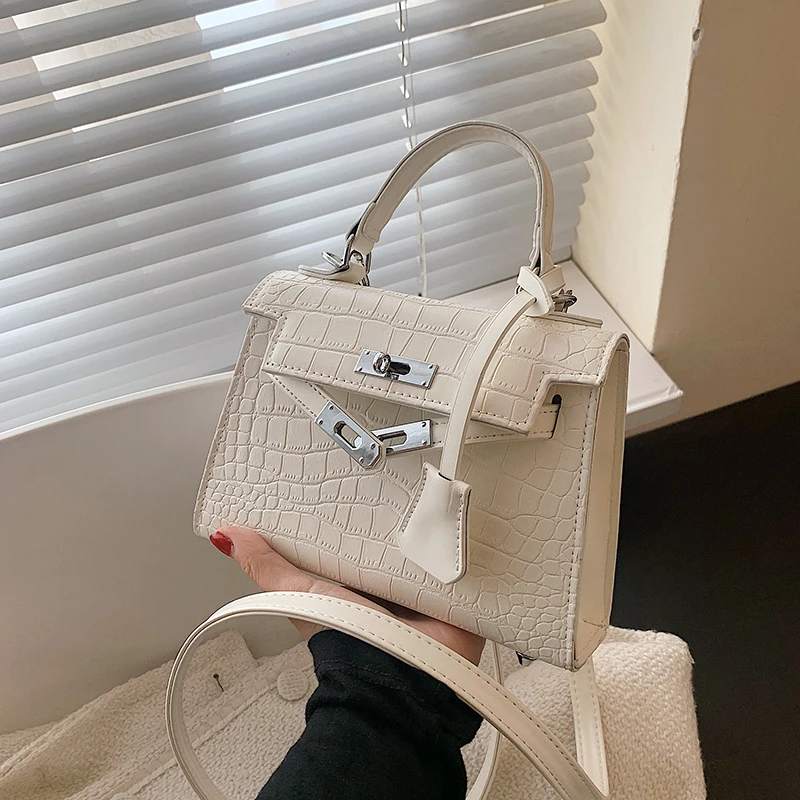


The global women’s handbag market is clearly moving toward minimalist designs combined with enhanced functionality. Modern consumers are no longer only looking for aesthetic appeal; they value practicality, durability, and material quality. For brand owners and wholesale buyers, understanding these trends is critical to stay competitive in both offline retail and e-commerce channels.
Minimalism: The Evergreen Design Trend
Minimalist handbags remain a top choice in major markets such as North America, Europe, and Oceania. The appeal lies in clean lines, versatile colors, and timeless designs. Cream white, caramel brown, and stone gray dominate seasonal best-sellers. Minimalist bags are particularly suitable for everyday use, from office commutes to casual outings, giving consumers a sense of style without overwhelming design elements.
For independent stores and online retailers, minimalist bags are easier to market across multiple demographics. They also allow more flexibility in brand customization, from logo embossing to interchangeable straps.
Multi-functionality: From Style to Practicality
Beyond aesthetics, multi-functional handbags are driving purchasing decisions. Features such as multiple compartments, adjustable straps, detachable pouches, and hidden security pockets appeal to a wide range of consumers. Buyers increasingly prefer bags that are versatile for work, travel, or leisure, without compromising style.
Wholesale buyers and brand owners should note that bags offering multi-functionality often see higher repeat purchases, as customers perceive more value in practical designs.
Material Trends: Quality Matters
Material choice continues to play a critical role. Leather, high-quality PU, eco-friendly alternatives, and hybrid fabrics are in demand. Sustainable materials are gaining traction, particularly in Europe and North America, where environmentally-conscious consumers actively seek recycled or responsibly sourced products.
From an OEM perspective, selecting a reliable handbag manufacturer capable of delivering consistent material quality ensures products meet international standards and reduces return rates.
Market Insights & Consumer Behavior
Research shows that bags with compact but spacious designs and lightweight construction sell faster in e-commerce stores. Social media exposure on platforms like Instagram and TikTok can rapidly amplify demand for minimalist yet functional handbags. Brands that leverage influencer collaborations, lifestyle photography, and engaging product descriptions see stronger conversion rates.
In addition, color psychology matters: neutral tones like cream and gray evoke sophistication, while caramel and mocha shades are associated with luxury, helping justify premium pricing for wholesale buyers.
OEM & B2B Considerations
For B2B buyers, choosing a handbag manufacturer with fast sampling and flexible production capacity is essential. A manufacturer offering 7–10 day sampling, customizable hardware, and color options allows brands to respond quickly to market trends. Multi-functional designs often require careful attention to construction quality, so experienced factories can significantly reduce defects and improve customer satisfaction.
In 2025, success in the women’s handbag market requires balancing minimalist aesthetics with multi-functional design. Brands and wholesale buyers should focus on versatile colors, practical features, and quality materials to meet evolving consumer expectations. Partnering with a reliable OEM factory ensures faster time-to-market and a competitive advantage in a rapidly changing industry.
By embracing these trends, retailers and brand owners can capture both online and offline demand, position their products effectively, and maximize sales potential in the coming year.