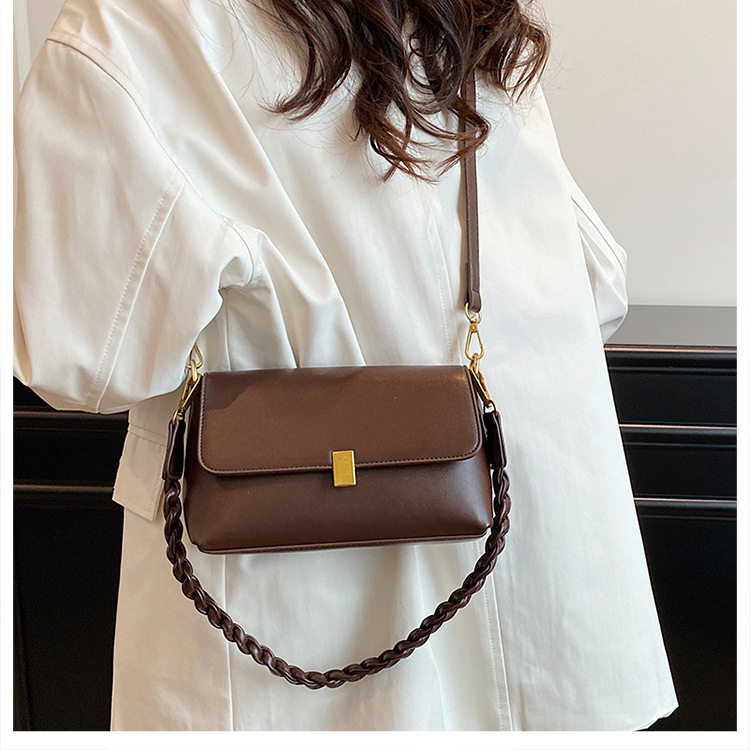

PrinceBag Factory has built a reputation for delivering top grade genuine leather handbags that combine craftsmanship, contemporary design, and pragmatic value. For retailers, private label entrepreneurs, and fashion-forward buyers seeking reliable supply chains, sourcing directly from a reputable factory can significantly streamline costs, improve margins, and guarantee consistent product quality. This article provides an in-depth look at why PrinceBag Factory stands out, what “top grade genuine leather” means in practice, how their manufacturing and quality-control processes work, and practical guidance for retailers and buyers on making informed purchasing decisions.
What “Top Grade Genuine Leather” Means
The term “genuine leather” can be ambiguous in the broader market, but “top grade genuine leather” implies several important attributes:
– High-quality hide selection: Top grade leather begins with premium raw hides — typically full-grain or high-quality corrected-grain leather — selected for durability and consistent appearance.
– Skilled tanning and finishing: The tanning process stabilizes and preserves the hide, while controlled finishing ensures uniform color, hand-feel, and resistance to wear.
– Structural integrity and longevity: Top grade leather maintains shape with use, resists cracking and excessive stretching, and develops a refined patina over time.
– Traceable sourcing and responsible tanning practices: Leading factories can document hide sources and demonstrate environmentally responsible tanning methods or certifications.
PrinceBag Factory positions itself to meet these expectations by combining traceable leather procurement with experienced leatherworkers and modern equipment, ensuring every handbag reflects the intended grade and finish.
Why Sourcing Direct From PrinceBag Factory Is Advantageous
Sourcing directly from a factory like PrinceBag delivers multiple advantages:
– Cost efficiency: Eliminating middlemen reduces markups and allows buyers to access better wholesale pricing, especially on volume orders.
– Customization capability: Direct factory relationships enable bespoke options in design, leather type, hardware, lining, and labeling — essential for private label brands.
– Quality control oversight: Buyers can request pre-shipment inspections, production photos, and third-party audits to ensure standards are met.
– Scalability: Factories can accommodate seasonal demand spikes and scalable production runs, from small MOQ (minimum order quantities) to large-scale deliveries.
– Faster iterations: Direct feedback loops reduce lead time for new design iterations or material adjustments.
By partnering with PrinceBag Factory, buyers get a partner focused on production precision and consistent material standards that align with premium market expectations.
Materials and Construction: What Makes a Handbag “Top Grade”
A handbag’s performance comes down to materials and construction techniques:
– Leather grade: Full-grain leather is the highest quality, preserving the hide’s natural surface. Top grade corrected-grain leather can also perform excellently when sourced from premium hides and finished expertly.
– Lining and reinforcement: High-quality poly-cotton blends, fine cotton twill, or soft suede lining enhance durability and customer satisfaction. Reinforcements (interfacing, leather gussets) help maintain shape.
– Hardware: Solid brass or stainless steel hardware with plated finishes resists corrosion and retains luster. Reinforced strap attachments and rivets reduce wear points.
– Stitching and edge finishing: Consistent stitch length, strong bonded thread, and hand- or machine-applied edge paint or burnishing signal superior craftsmanship.
– Design tolerances: Accurate patterning and attention to seam allowances prevent misalignment and uneven stress distribution.
PrinceBag Factory integrates these elements into product engineering, ensuring each style meets functional and aesthetic criteria expected in premium retail lines.
Quality Control and Testing Procedures
Reliable quality control is fundamental. PrinceBag Factory typically applies layered inspections:
– Raw material incoming inspection: Hides and hardware are checked for defects, color consistency, and certification where applicable.
– Process-stage inspections: Pattern cutting, initial assembly, and finishing checkpoints verify accuracy and identify issues early.
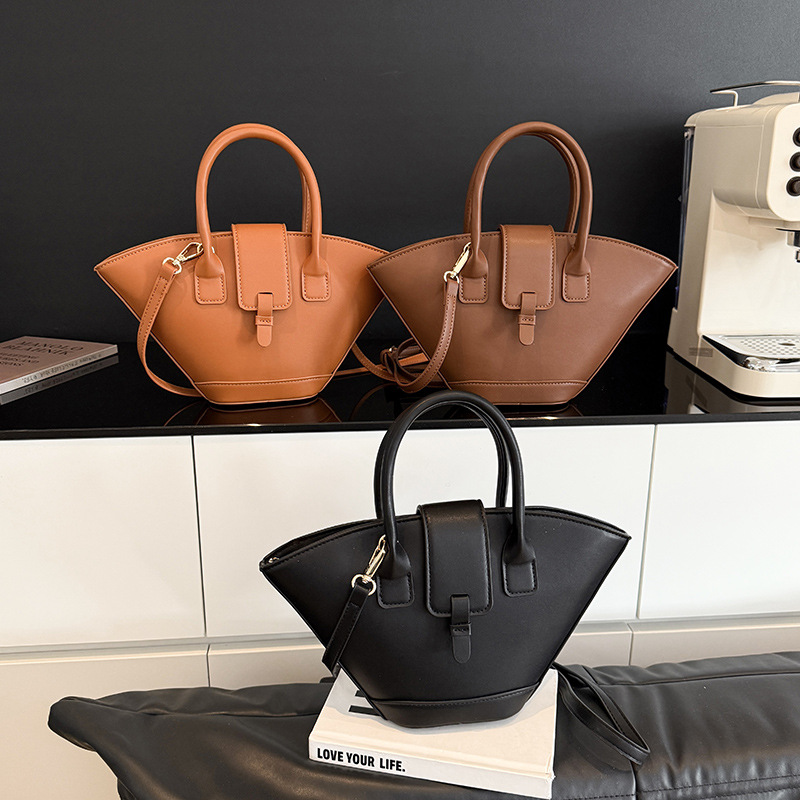
– Final inspection: Each completed bag undergoes visual checks for stitching, hardware alignment, color uniformity, odor, and functional tests (zippers, closures, straps).
– Performance testing: Random samples go through stress testing—tensile tests for straps, abrasion tests for leather finish, and hardware pull tests.
– Third-party audits: Buyers can commission independent QC firms for pre-shipment inspections to validate factory claims.
This multi-tiered approach reduces defects and returns, ensuring end customers receive dependable, premium-value products.
Sustainability and Responsible Sourcing
Sustainability is a growing focus. Top grade leather suppliers and factories differentiate themselves by:
– Transparent sourcing: Using hides that are byproducts of the food industry and documenting origin points.
– Water and chemical management: Employing modern tanning processes that minimize harmful effluents and comply with environmental regulations.
– Certifications and compliance: Where applicable, factory compliance with local and international environmental standards (e.g., wastewater treatment compliance, chemical management).
– Recyclable packaging and reduced waste practices: Optimized cutting to minimize waste and responsible disposal or reuse of offcuts.
PrinceBag Factory’s responsible sourcing policies and investments in cleaner tanning processes position their handbags as better choices for eco-conscious brands and consumers.
Customization, Private Labeling, and Branding Options
For brands and retailers, customization is a key advantage of factory sourcing:
– Design flexibility: Custom patterns, dimensions, and functional elements (pockets, strap length, closures).
– Material selection: Choice of leather types, colors, textures, and linings to match brand identity.
– Hardware options: Custom logo embossing on hardware, engraved nameplates, or unique zipper pulls.
– Labeling and packaging: Sewn labels, hangtags, custom dust bags, and branded boxes for retail-ready presentation.
– MOQ and prototyping: PrinceBag Factory often offers flexible prototyping with clear lead times and scalable MOQ structures.
This modularity helps brands maintain consistent identity while controlling production costs.
Pricing, Lead Times, and Minimum Order Quantities
Understanding cost structure and lead time helps buyers plan:
– Unit cost drivers: Leather grade, complexity of design, hardware quality, and volume. Higher grades and complex detailing increase unit costs.
– Economies of scale: Larger orders reduce per-unit costs as setup and tooling are amortized across more units.
– Lead times: Typical production lead times range from 30 to 90 days depending on complexity and order size; prototyping may add 2–4 weeks.
– MOQ: Many factories have MOQs that vary by product complexity—some product lines allow smaller MOQs for testing the market.
– Payment terms: Common terms include deposit + balance on shipping, with options for L/C or other arrangements for large or repeat buyers.
PrinceBag Factory provides transparent cost breakdowns so buyers can balance quality expectations with price targets.
After-Sales Support and Warranty
Top manufacturers back their products with after-sales processes:
– Warranty terms: Coverage for manufacturing defects (stitching failure, hardware defects) for defined periods.
– Repair services: Factory-managed repair or replacement processes that protect brand reputation and customer satisfaction.
– Spare parts availability: Replacement straps, hardware, or zippers to extend product life.
Structured after-sales support gives retailers confidence to offer warranties and improves customer loyalty.
Practical Buying Guide: How to Work With PrinceBag Factory
– Define specifications precisely: Prepare tech packs with materials, dimensions, tolerances, and visual references.
– Request samples/prototypes: Approve physical samples before bulk production to avoid costly revisions.
– Negotiate MOQ and pricing: Discuss staggered production or phased orders if initial volumes are small.
– Set quality checkpoints: Agree on IP protection terms, production milestones, and QC inspection points.
– Confirm shipping and logistics: Clarify EXW, FOB, or CIF terms, and expected delivery timelines.
– Plan for contingencies: Include clauses for delays, force majeure, and defective product handling.
These steps reduce surprises and build a long-term supplier relationship.
Market Positioning and Consumer Appeal
Top grade genuine leather handbags from PrinceBag Factory are suitable for:
– Mid- to high-end retail segments that demand authenticity, durability, and refined finishes.
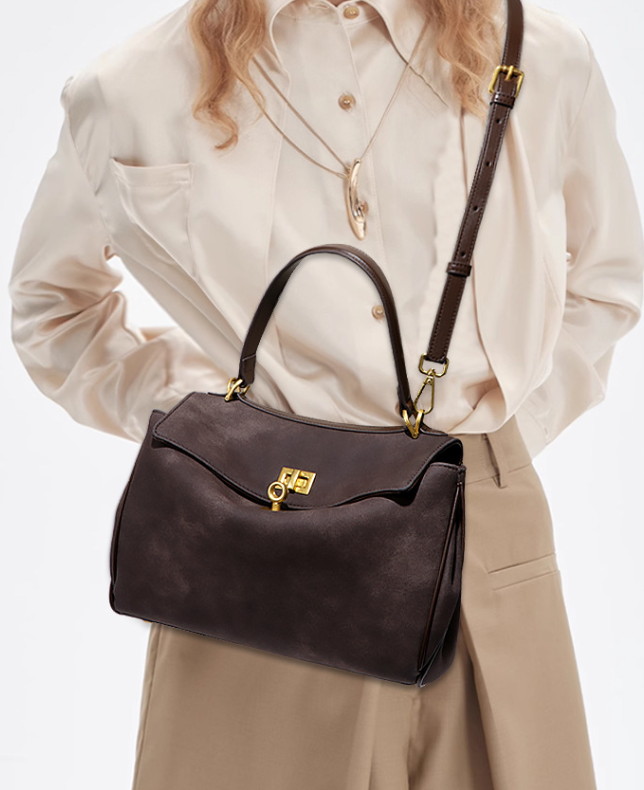
– Private label brands seeking to offer premium lines without the overhead of owning production facilities.
– Boutique retailers focused on craftsmanship, unique designs, and storytelling about material quality.
– E-commerce brands leveraging product imagery and detailed descriptions to convey value.
Consumers pay premiums for perceived quality and longevity; delivering on those expectations ensures repeat customers and positive reviews.
Risk Management: Common Challenges and Mitigation
– Inconsistent color or hide variation: Mitigate by approving master dye lots and accepting natural variation documentation.
– Lead-time slippage: Include clear production schedules and penalties for delays where appropriate.
– Quality variance: Implement pre-shipment inspections and establish clear defect acceptance criteria.
– Logistics disruptions: Build buffer stock or stagger shipments to handle supply chain interruptions.
Proactive communication and documented agreements reduce these risks.
Analysis Table: Comparative Overview of PrinceBag Factory Handbag Lines
| Model/Line | Leather Type | Key Features | Estimated MOQ & Lead Time | Ideal Market Segment |
|---|---|---|---|---|
| Heritage Classic Tote | Full-Grain Cowhide | Structured silhouette, reinforced base, brass hardware | 200 pcs, 45–60 days | Upscale department stores, premium boutiques |
| Metropolitan Crossbody | Top-Corrected Grain (Smooth Finish) | Lightweight, adjustable strap, vegan lining option | 500 pcs, 30–45 days | Contemporary retailers, online fashion brands |
| Artisan Weekend Satchel | Aniline-Dyed Nubuck | Soft hand-feel, hand-stitched accents, aged patina | 150 pcs, 60–75 days | Boutiques, artisanal-label collaborations |
| Signature Convertible Backpack | Top-Grain Pebbled Leather | Convertible straps, padded laptop pocket, water-resistant finish | 300 pcs, 45–60 days | Urban professionals, travel-friendly retailers |
| Luxury Evening Clutch | Patent-Finish Calf Leather | High-shine finish, metal frame, custom embossing | 250 pcs, 35–50 days | High-end boutiques, bridal and special-event retailers |
Case Study Snapshot: Bringing a Private Label Line to Market
A mid-size retail brand sought to launch a private label collection featuring top grade leather totes and crossbodies. Steps they took with PrinceBag Factory:
– Phase 1: Product brief and tech packs — defined two core styles and selected leather samples.
– Phase 2: Prototype development — factory provided three iterations for each style within four weeks.
– Phase 3: Pre-production sample approval — brand tested wear and provided minor adjustments.
– Phase 4: Bulk production — 1,000 units split between two styles; factory completed within the agreed 60-day window.
– Phase 5: Quality check and logistics — pre-shipment inspection flagged two small issues that were corrected before shipping.
Outcome: The brand launched on schedule, realized a strong sell-through, and established ongoing orders with revised MOQs to reduce lead time and per-unit cost.
How to Evaluate Samples and Approve Production
When inspecting samples, focus on:
– Leather consistency: Check for desired grain, color fastness, and absence of unwanted blemishes.
– Stitching: Uniform stitch length and secure thread ends.
– Hardware function: Smooth zippers, solid clasps, and consistent plating.
– Structural integrity: Bags hold intended shape under light load and straps show reinforced attachment.
– Finish and scent: Even edge finishing and neutral or acceptable leather aroma.
Document non-conformities clearly and request corrective actions before approving bulk runs.
Final Thoughts: Making PrinceBag Factory Your Strategic Partner
Top grade genuine leather handbags demand exacting standards from raw material sourcing to final inspection. PrinceBag Factory offers the capabilities necessary for brands and retailers to source premium handbags with confidence: experienced craftsmanship, modern production processes, sustainable practices, and robust quality controls.
Working directly with a factory eliminates intermediaries, enables richer customization, and gives brands better control over cost and quality. For companies aiming to create lasting value through premium handbags — whether launching a private label, expanding a product line, or entering new markets — a strategic relationship with a factory like PrinceBag can be a decisive advantage.