


As global demand for high-quality, stylish, and customizable leather accessories continues to rise, manufacturers like PrinceBag have positioned themselves as strategic partners for brands and retailers seeking reliable OEM solutions. This article provides an in-depth professional review of Custom Sling Leather handbags from an OEM factory perspective, with practical guidance for designers, private label brands, and buyers who want to work with PrinceBag or similar factories. We will cover materials, production processes, customization options, quality control, sustainability, pricing, lead times, logistics, and go-to-market recommendations.
Overview: Why Choose an OEM Factory like PrinceBag
Choosing an experienced OEM factory for custom sling leather handbags means partnering with a supplier that can translate design concepts into market-ready products at scale. Factories such as PrinceBag typically offer:
– End-to-end services from design consultation and prototyping to mass production and logistics.
– Expertise in leather sourcing, pattern making, hardware selection, and finishing.
– Quality management systems to ensure consistent product performance and appearance.
– Cost efficiencies through bulk sourcing and optimized production workflows.
For brands wanting a consistent private-label product line without investing in their own manufacturing, an OEM partner is often the most efficient route.
Benefits of Custom Sling Leather Handbags
Sling handbags—compact, comfortable, and fashionable—have become a staple in modern wardrobes. Custom leather sling bags provide:
– Brand differentiation through unique materials, branding, and hardware choices.
– Durable, long-lasting products that support premium pricing.
– Flexibility in price points by adjusting leather grade, hardware quality, and production complexity.
– Opportunities for limited editions and seasonal variations that stimulate repeat purchases.
A well-executed OEM relationship enables brands to offer consistent quality while staying nimble in design and inventory management.
Materials: Leather Types and Their Trade-offs
Selecting the right leather is foundational. Each type carries implications for cost, appearance, durability, and consumer perception.
– Full-grain leather: Highest quality, natural patina, most durable, premium price. Ideal for high-end lines.
– Top-grain leather: Slightly corrected surface, good durability, less expensive than full-grain. Popular for premium-mass segments.
– Corrected-grain/genuine leather: Lower cost, more uniform appearance, less durable. Suitable for entry-level private labels.
– PU (vegan leather): Cost-effective, consistent color and texture, not as long-lasting. Useful for vegan product lines or mid-market.
– Vegetable-tanned leather: Eco-friendly and ages beautifully, but color range is more limited and requires skilled finishing.
Beyond leather, lining materials, reinforcement boards, and adhesives can significantly affect the final product’s feel and longevity. Lining options (cotton canvas, polyester, microfiber) should be chosen based on wear expectations, weight, and perceived quality.
Design and Customization Options
One of the primary advantages of an OEM factory is the breadth of customization options, including:
– Dimensions and internal layout (pockets, card slots, phone sleeves).
– Strap styles and adjustability (detachable, padded, chain, webbing).
– Hardware finishes (antique brass, polished gold, matte gunmetal) and custom embossing on buckles.
– Branding choices (embossing, debossing, metal logo plates, heat-stamped tags).
– Lining patterns, colorways, and hidden features (RFID pockets, key hooks).
– Special finishes (patina, burnishing, painted edges, waxed finishes).
The right combination of these choices will determine production complexity and costs; a clear specification sheet helps avoid miscommunication.
Manufacturing Workflow and Quality Control
A reliable OEM factory follows a detailed workflow to ensure quality and on-time delivery:
1. Design validation: Tech pack creation including sketches, measurements, tolerances, materials, and hardware references.
2. Material procurement: Sourcing hides, linings, interlinings, zippers, and metal parts—often leveraging factory supplier networks to balance quality and price.
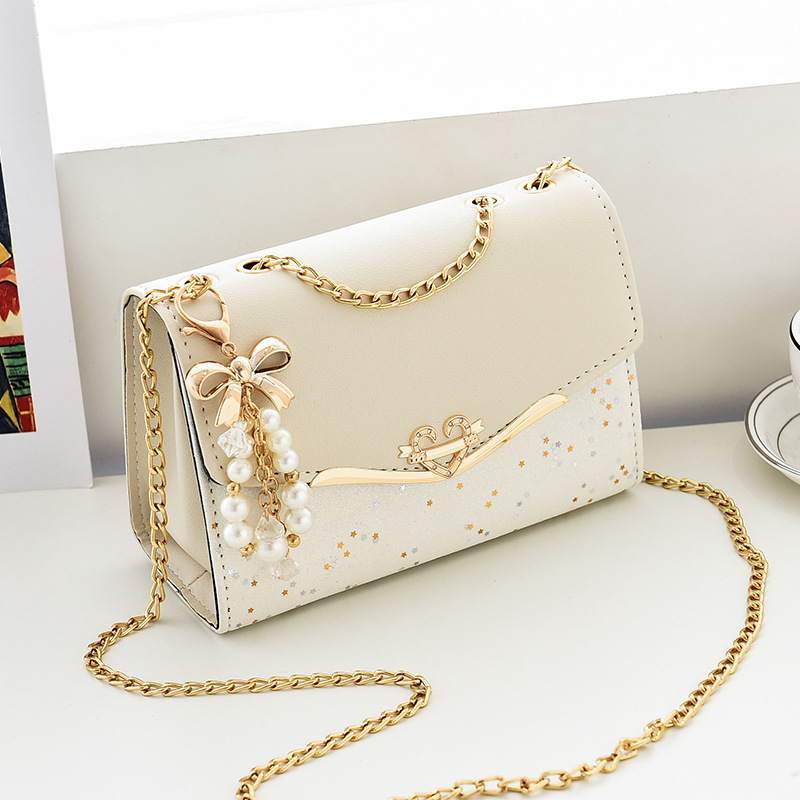
3. Prototyping: Rapid prototype or pre-production sample for fit, function, and aesthetic approval.
4. Cutting and skiving: Precision cutting (manual or automated) and skiving for edge thickness control.
5. Stitching and assembly: Skilled operators assemble panels; high-end bags often require hand-stitching for reinforced sections.
6. Edge finishing and polishing: Edges are sealed, painted, or burnished depending on design.
7. Hardware attachment and final assembly.
8. Inspection and testing: Dimensional checks, stitch density, seam strength, hardware function, colorfastness tests.
9. Packaging and labeling: Custom packaging according to brand requirements.
10. Final QA before shipment: Sample retention for reference.
QC steps should be documented with acceptable quality levels (AQL) and non-conformance resolution processes.
Pricing, MOQ, and Lead Time Expectations
Understanding price drivers helps brands plan budgets and pricing strategies:
– Leather grade is the single biggest material cost driver.
– Hardware complexity and custom molds/finishes add up-front tooling costs.
– Labor intensity (hand-stitching, complex assembly) increases unit cost.
– Order quantity strongly affects per-unit price; economies of scale are significant.
Typical parameters from a mid-size OEM like PrinceBag:
– MOQ (minimum order quantity): ranges from 100–500 units per SKU for standard options; custom tooling or hardware may require 300–1000+ units.
– Lead times: 4–8 weeks for prototyping and sample approval; 45–90 days for production depending on order size and complexity.
– Pricing examples (indicative): low-end PU sling bag $8–$20 FOB, top-grain leather $25–$60 FOB, full-grain handcrafted versions $80+ FOB.
Negotiate clear payment terms that typically include deposit (30–50%) and balance before shipment.
Table: Comparative Analysis for Key Customization Choices
| Aspect | Common Options | Advantages | Considerations/Risks | Estimated Impact (Cost/Lead) |
|---|---|---|---|---|
| Leather Grade | Full-grain, Top-grain, Genuine, PU | Durability, appearance, price range | Supply variability, color matching, staining | High (affects unit cost heavily) |
| Hardware | Standard, Custom engraved, plated finishes | Branding, perceived value | Tooling costs, lead time for custom plating | Medium-High (initial tooling cost) |
| Straps | Leather strap, webbing, chain | Comfort, style variations | Durability, weight, attachment reinforcement | Medium (affects assembly time) |
| Lining | Canvas, polyester, microfiber | Weight, cost, interior feel | Stain resistance, perceived quality | Low-Medium (minor cost impact) |
| Finishes | Edge paint, burnishing, waxed | Refined look, durability | Time-consuming processes, skilled labor | Medium (adds labor cost) |
Sustainability, Traceability, and Certifications
Sustainability is no longer optional for many consumers and retailers. Considerations include:
– Leather sourcing: Look for traceable supply chains and certifications (e.g., LWG – Leather Working Group) that verify environmental and social practices.
– Chemical management: REACH and other chemical compliance to ensure tanning and finishing chemicals meet regulations.
– Vegan alternatives: For brands targeting vegan consumers, ensure third-party verification of non-animal materials.
– Waste reduction: Efficient cutting patterns and reuse of offcuts reduce waste; recycled linings and packaging support circularity.
– Social compliance: Audits for labor practices (BSCI, SA8000) to meet retailer requirements.
Promoting verified sustainability practices can be a strong marketing differentiator.
Packaging, Logistics, and After-Sales
Packaging contributes to first impressions. Options include dust bags, custom boxes, swing tags, and care cards. Sustainable packaging (recycled boxes, minimal plastic) aligns with modern consumer expectations but may change packaging cost and volume.
Logistics:
– Choose FOB, CIF, or DDP terms based on risk tolerance and shipping capabilities.
– Plan inventory buffers for seasonal spikes and production variability.
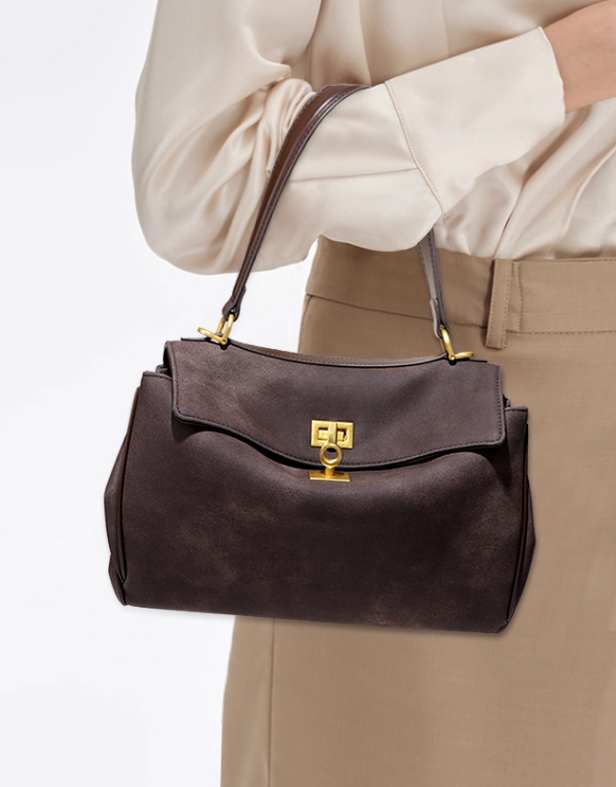
– Use reliable freight forwarders and consider consolidation for multi-SKU orders to reduce per-unit shipping cost.
After-sales:
– Provide clear care instructions and warranty policies.
– Track returns and quality incidents to feedback into QC improvements.
– Hold a reference sample and production run records for reproducibility.
Marketing & Sales Strategies for Private Label Sling Bags
To maximize ROI on a custom sling handbag line:
– Define target customer and price tier: urban commuter, travel-focused, luxury, or mass market.
– Use storytelling: highlight leather origin, craftsmanship, or eco-credentials.
– Offer tiered collections: entry-level (PU), mid-range (top-grain), and premium (full-grain) to broaden appeal.
– Limited editions and capsule drops increase urgency and perceived exclusivity.
– Use influencer collaborations and unboxing experiences emphasizing packaging and finishing details.
– Support launch with clear product photography, lifestyle shots, and detailed tech specs to reduce returns.
h4>Case Study: Launching a Private-Label Sling Bag with PrinceBag (Hypothetical)
Scenario: A U.S.-based boutique brand wants a 3-color launch of a top-grain leather sling bag, MOQ 300 units per color, with a mid-market price of $129 retail.
Steps:
1. Design brief: tech pack, target price, and desired finishes.
2. Sample stage: 2–3 iterations over 3–4 weeks, approving materials and hardware.
3. Production: 900 units across three colors, lead time 6–8 weeks after sample approval.
4. QC: AQL sampling, 100% visual inspection of hardware and seams.
5. Packaging: custom dust bag and recycled gift box added.
6. Shipping: FOB port with 30% deposit and 70% balance on inspection.
Result: The boutique sells through direct-to-consumer channels at a 3–3.5x markup, achieving a healthy margin while delivering a quality product that receives positive reviews about craftsmanship and materials.
How to Vet and Choose the Right OEM Factory
When evaluating potential partners:
– Ask for references and past client examples—photos of produced items, retail listings, or case studies.
– Request supplier certifications (LWG, BSCI) and quality management documentation.
– Visit the factory if possible or hire third-party auditors to inspect facilities and working conditions.
– Conduct a small pilot order before committing to large-scale production.
– Clarify IP protections for designs and custom tooling—ensure NDAs and contractual protections.
Final Recommendations
Working with an OEM factory like PrinceBag to produce custom sling leather handbags presents an opportunity to combine craftsmanship with scalable manufacturing. To maximize success:
– Start with a detailed tech pack and clear sample approval process.
– Match leather grade and features to your target price and brand positioning.
– Prioritize high-impact customizations (hardware, logo treatments, strap design) while keeping some modularity to control costs.
– Insist on documented QC procedures, sample retention, and clear dispute resolution.
– Factor sustainability and traceability into supplier selection for long-term brand trust.
Custom sling leather handbags are an ideal product for brands seeking to offer functional, fashionable accessories with strong brand identity. With careful planning, transparent communication, and the right OEM partner, you can bring distinctive, high-quality sling bags to your customers on time and on budget.